Gastro-tourism has a definition problem worth resolving before talking about Medellín as a destination. It is not tourism of famous restaurants or Instagrammable experiences. It is tourism motivated by genuine interest in understanding a culture through its cooking, its ingredients and its producers.
With that definition, Medellín has a real gastro-tourism argument that cities with more international culinary reputation do not have: the possibility of understanding Colombia through its gastronomic biodiversity in a single trip, because the city’s geographic position allows access to ingredients from the Pacific, the Caribbean, the Andean zone and the Amazon in relatively short distances.
Why Medellín and not Bogotá or Cartagena
The Colombian gastronomic map has three cities with distinct concepts: Bogotá has the highest concentration of high-level restaurants, Cartagena has the tourist appeal of the Colombian Caribbean and Medellín has something the other two do not have to the same degree: a local gastronomic scene that eats well out of its own conviction, not for tourism.
In El Poblado and Provenza there is a community of local diners who frequent high-level restaurants regularly. That sustained local demand produces a gastronomic scene with more consistency than that of cities where high-level restaurants depend primarily on tourism to fill tables.
For the gastro-tourist, that difference is perceptible: restaurants that cook for locals who return have a different level of consistency from those that cook primarily for tourists who will not repeat.
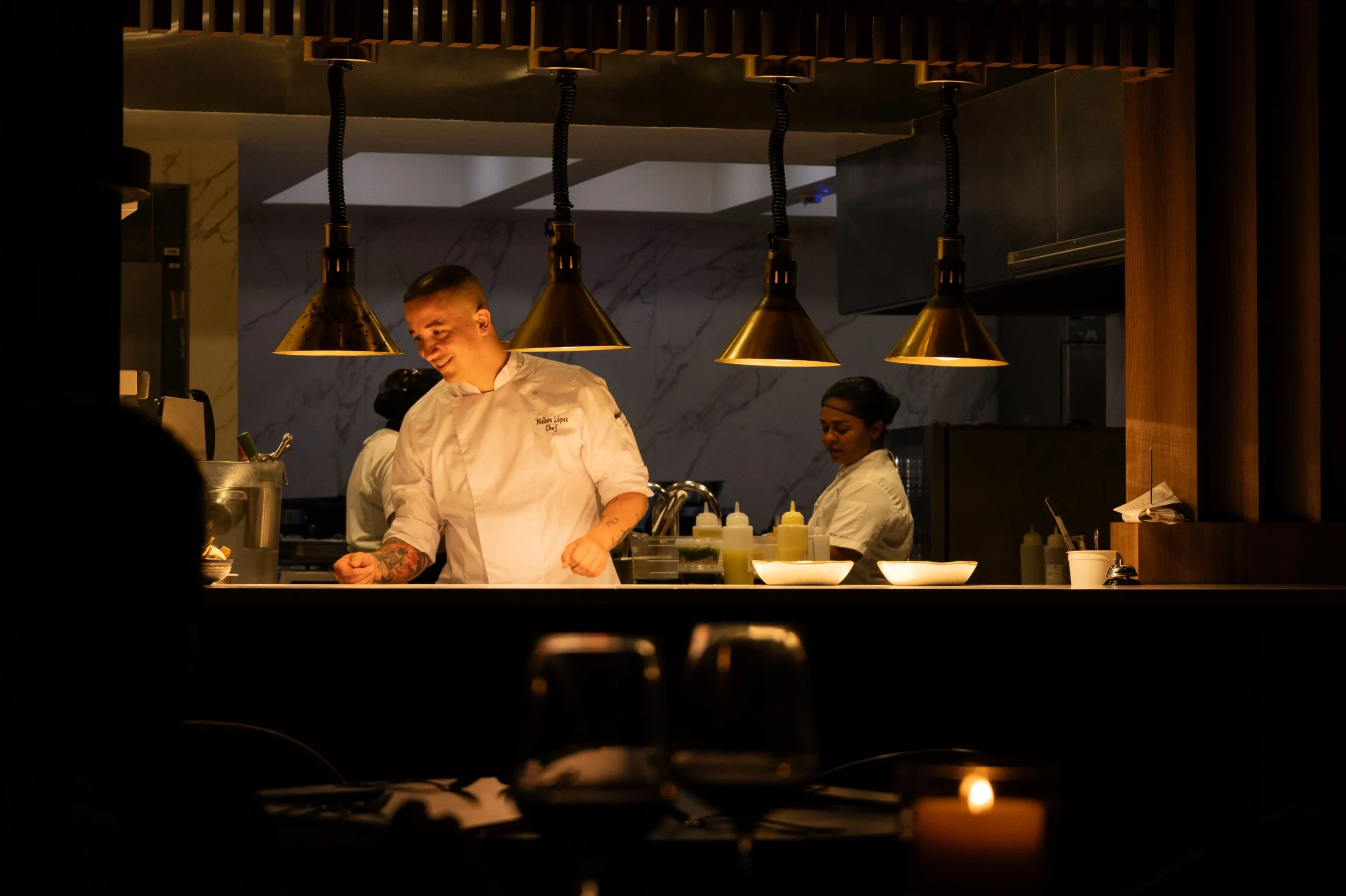
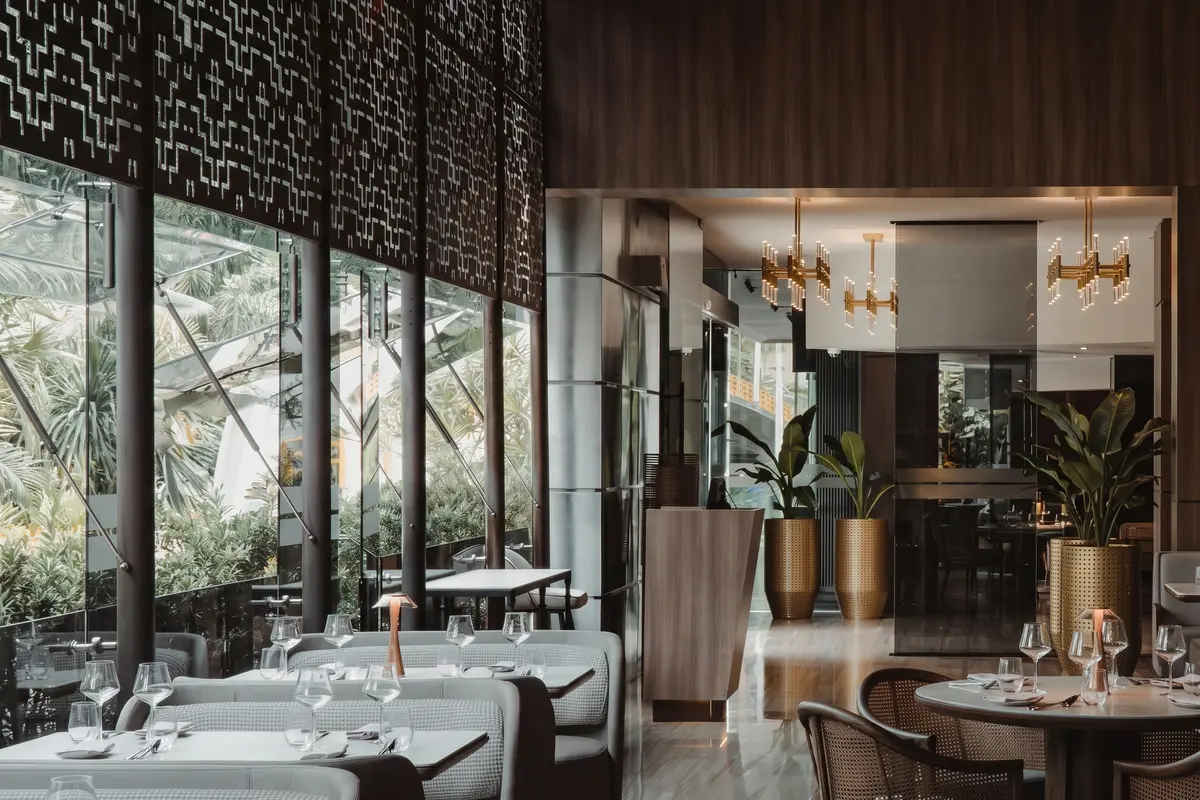
La Makha at Binn Hotel is an example of that consistency: its Colombian contemporary cuisine concept is designed for the returning diner, who will notice if the seasonal menu has exactly the same level as the previous visit. The 7-course tasting menu at La Makha is the most complete experience for understanding what makes Colombian author cuisine singular right now.
Ingredients as a reason to travel
The most compelling gastro-tourism does not revolve around famous restaurants but around ingredients that do not exist anywhere else. And Colombia has a quantity of unique ingredients that no other gastronomic destination in Latin America can match.
Bahía Solano Pacific tuna, La Guajira octopus, Caldas lamb, Paipa cheese from Boyacá, Pacific chontaduro, Amazonian arazá, Bahía Solano vanilla and dozens of tropical fruits with no equivalent outside the Colombian tropics are gastronomic arguments that do not require the restaurant to be Michelin-starred to be worth the trip.
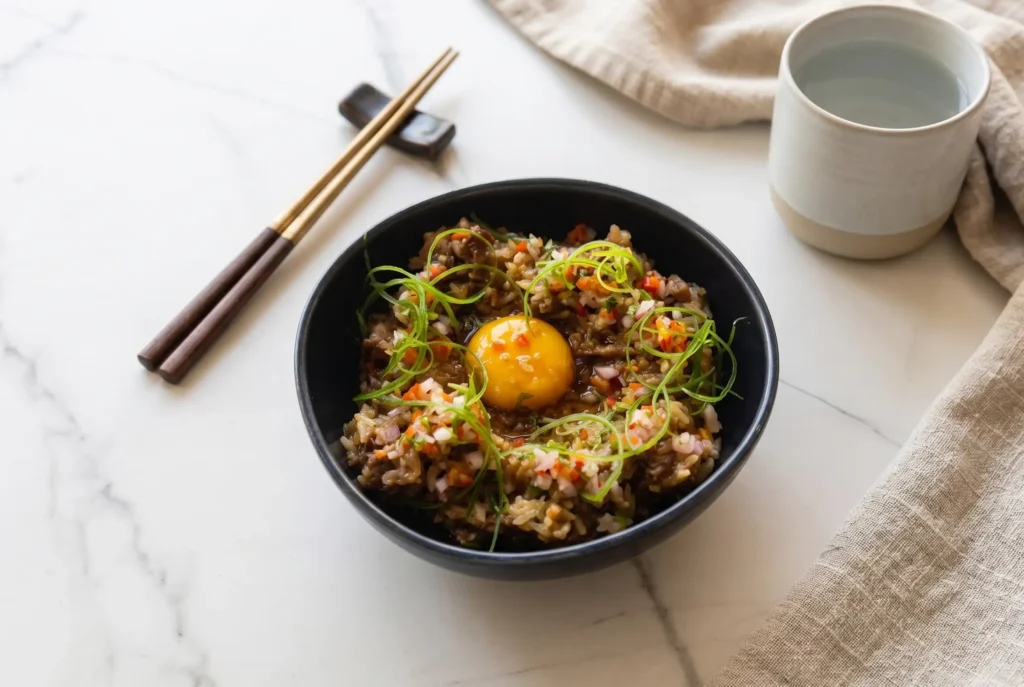
La Makha organizes those ingredients into a tasting experience that functions as a gastronomic map of Colombia: each course of the menu represents a specific region, ecosystem and culinary tradition. For the gastro-tourist who wants to understand Colombia through food, that narrative structure of the menu is the most coherent entry point.
Medellín as a base for regional gastro-tourism
One of Medellín’s advantages as a gastro-tourism destination is its geographic position as a base for exploring the department of Antioquia and nearby regions.
Less than two hours from the city there are coffee farms in southwestern Antioquia where the complete specialty coffee process can be understood from tree to cup. Three hours away there are municipalities in northeastern Antioquia where the Yolombó duck that appears on La Makha’s menu is produced. Four hours away there is access to the Magdalena Medio with its river fishing tradition.
Binn Hotel’s concierge can coordinate excursions to these regions for gastro-tourists who want to go beyond the restaurant. A visit to a coffee farm, a tour of the fresh produce markets in Envigado or an excursion to eastern Antioquia where some of La Makha’s ingredient producers are located are experiences that have the same type of gastronomic depth as dinner at the restaurant. The article on how to discover Antioquia from Binn Hotel has more detail on those excursions.
Gastronomy as a reputation argument for Medellín
In 2026, Medellín has an international reputation built on several axes: urban transformation, the cultural scene, the climate and the lifestyle. Gastronomy is being added to that list of arguments in a way that was not happening five years ago.
International travel guides that previously mentioned Medellín primarily for security and urban transformation are now including specific sections on the gastronomic scene of El Poblado and Provenza. Travelers who come to Medellín for other reasons (business, cultural tourism, wellness tourism) are increasingly adding high-level dinners to their itinerary.
That creates an opportunity for restaurants like La Makha: the international tourist who has one evening available for a high-level dinner in Medellín and wants that evening to give them something they will not find in another city. Colombian origin cooking with verifiable ingredients and a living menu is exactly that type of experience.
Frequently asked questions
Is Medellín a gastro-tourism destination comparable to Lima or Mexico City?
Medellín is at a different stage of gastronomic development from Lima or Mexico City, which have more mature scenes and more international visibility. What Medellín has that those cities do not have to the same degree is access to Colombian biodiversity from a sophisticated urban base: Pacific, Caribbean and Andean ingredients are all accessible from El Poblado.
Is La Makha the best restaurant for the gastro-tourist in Medellín?
La Makha is the most coherent concept for the gastro-tourist who wants to understand Colombian contemporary cuisine with verifiable origin ingredients. For the gastro-tourist seeking visual spectacle and technical vanguard, El Cielo has that concept more fully developed. The two respond to different gastronomic interests.
What is the best time of year for gastro-tourism in Medellín?
Medellín has a stable climate year-round. For gastro-tourism specifically, the seasons with the greatest diversity of seasonal ingredients are the April-May and October-November periods, when the combination of rain and temperature produces greater variety of fruits and vegetables in local markets.