Artificial intelligence in gastronomy has two narratives that coexist without much clarity between them. The first is the replacement narrative: robots that cook, algorithm-generated menus, experiences designed by language models. The second is the tool narrative: AI that optimizes the operation so the human team can do better what only humans can do.
The reality of AI in haute cuisine in 2026 is almost exclusively the second narrative. And understanding why requires understanding what haute cuisine produces that cannot be automated.
Where AI already works in high-level restaurants
There are layers of gastronomic operation where artificial intelligence has concrete, verifiable applications that improve efficiency without affecting the diner’s experience.
- Reservation management and demand prediction. AI-based reservation management systems can predict demand patterns, optimize table distribution and reduce no-shows through automated communication with the diner. For a restaurant with a living menu like La Makha, where the quantity of ingredients arriving from the supplier must align with the expected number of diners, that demand prediction has direct operational value.
- Inventory optimization and waste reduction. AI systems applied to kitchen inventory can predict which ingredients will have higher turnover in a given period, reduce perishable ingredient waste and optimize supplier orders. In an origin kitchen like La Makha, where the seasonal ingredient has a short use window, that optimization is especially valuable.
- Experience personalization. AI-based CRM systems can record diner preferences (allergies, favorite dishes, previous special occasions) and suggest to the dining room team how to personalize the experience on each visit. For a diner who has visited La Makha on several occasions, the team can know which tasting menu course was their favorite on the previous visit and adjust the presentation or recommendations accordingly. The article on technology and personalized experience at La Makha develops how that system works in practice.
What AI cannot do in haute cuisine
Author cooking has a core that artificial intelligence cannot replicate because it depends on specifically human capabilities.
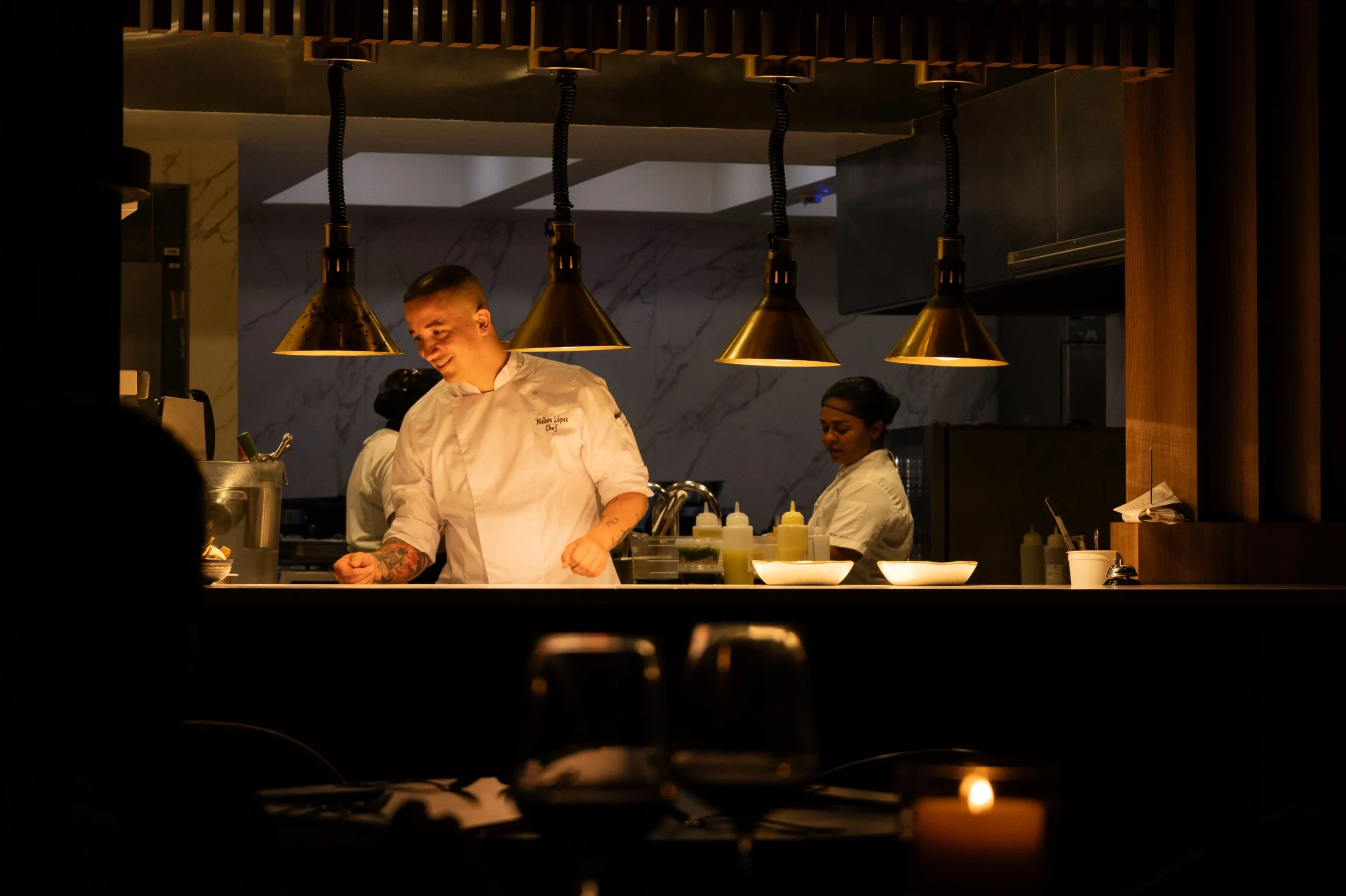
The relationship with the producer. The chef who visits the farm where the Caldas lamb is raised, who knows the Bahía Solano fisherman by name and who understands how that week’s climate conditions affected the flavor profile of the tuna that arrived that morning has contextual information that no AI system can generate because it requires physical presence and direct human relationship.
Flavor judgment as a creative decision. The decision that the North of Santander peach kimchi has exactly the right fermentation level to accompany the Yolombó Duck Magret is not a decision an algorithm can make. It requires the trained palate of a chef who understands how the lactic acid of that specific kimchi is going to interact with the duck fat in the diner’s mouth.
Service that reads the diner. The server who detects that the table needs more time between courses because an important conversation is underway, or that the individual diner prefers silence to interaction, or that the group is celebrating something even though nobody has said so explicitly, has a social intelligence that current AI systems do not have.
AI as a liberation tool, not a replacement
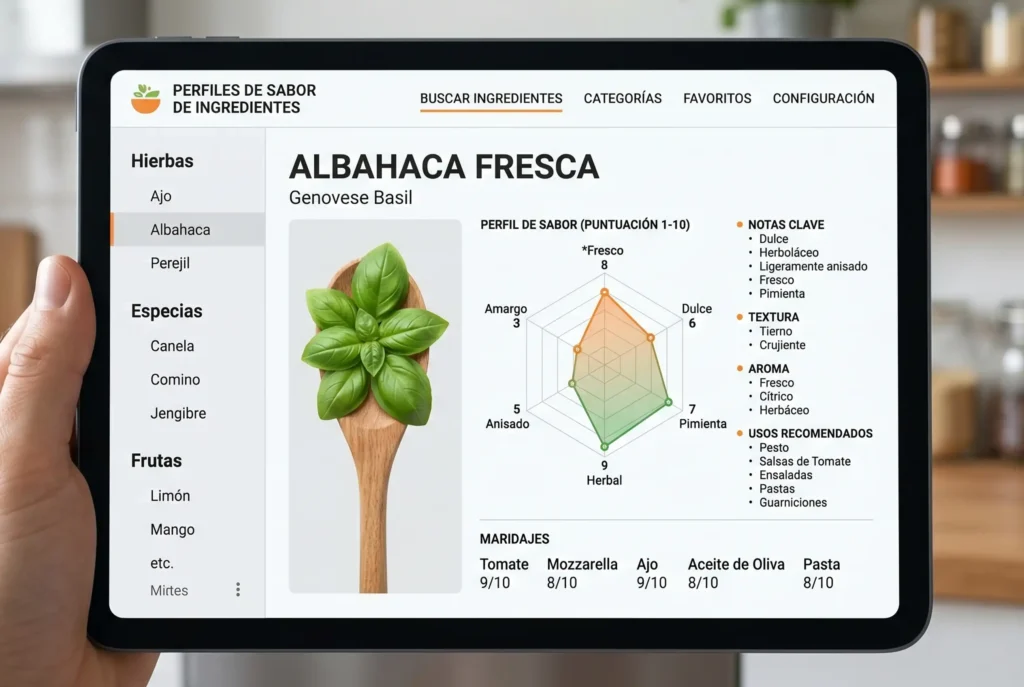
The most coherent way to think about AI’s impact on haute cuisine is as a tool that frees the human team from lower-value tasks so it can focus on higher-value ones.
If an AI system manages inventory optimization, the chef does not have to spend time calculating how much lamb to order for the week. That freed time goes to the kitchen, to the relationship with suppliers or to developing new preparations for the seasonal menu.
If an AI reservation system reduces no-shows by 30%, the restaurant can plan with more precision the quantity of seasonal ingredients it needs. That precision reduces waste, which in an origin kitchen with a living menu has a direct impact on the operation’s sustainability.
If an AI CRM records the habitual diner’s preferences, the dining room team can focus on the service rather than on preference memory. The result is more personalized service with less administrative effort.
Frequently asked questions
Does La Makha use artificial intelligence in its operation?
La Makha and Binn Hotel use technological tools in the management, reservation and diner communication layers. The kitchen, the dining room service and the relationship with suppliers are processes led by the human team without automation in creative or flavor decision-making.
Can AI design an author menu like La Makha’s?
Not in the sense of producing something with the cultural coherence and flavor judgment of La Makha’s menu. AI systems can generate ingredient combinations or suggest pairings based on historical data, but the creative decision of which Colombian ingredient from which region at which point in the season produces the best possible dish requires the chef’s judgment with direct access to the ingredient.
Will automation affect the quality of the experience in haute cuisine restaurants?
In the operational levels where automation has clear applications (reservations, inventory, communication), the efficiency improvement can free resources to improve the experience. In the levels where automation has no coherent application (author cooking, dining room service, relationship with producers), the quality of the experience depends on the human team and will continue to depend on it.