The terroir concept was born in French viticulture to describe how the soil, climate, altitude and humidity of a specific place affect the character of the wine produced there. A Burgundy Pinot Noir does not taste the same as one from Oregon even though the grape is technically identical, because each place’s terroir produces a different character.
That same concept, applied to Colombian ingredients, produces something most Medellín kitchens have not explored with sufficient depth: the difference between an ingredient from the warm zone of eastern Antioquia and the same ingredient grown on the highland plateau, or between a protein from Caldas and one from the Magdalena Medio.
La Makha works with that difference as the starting point of its cooking.
Antioquia as a microclimate map
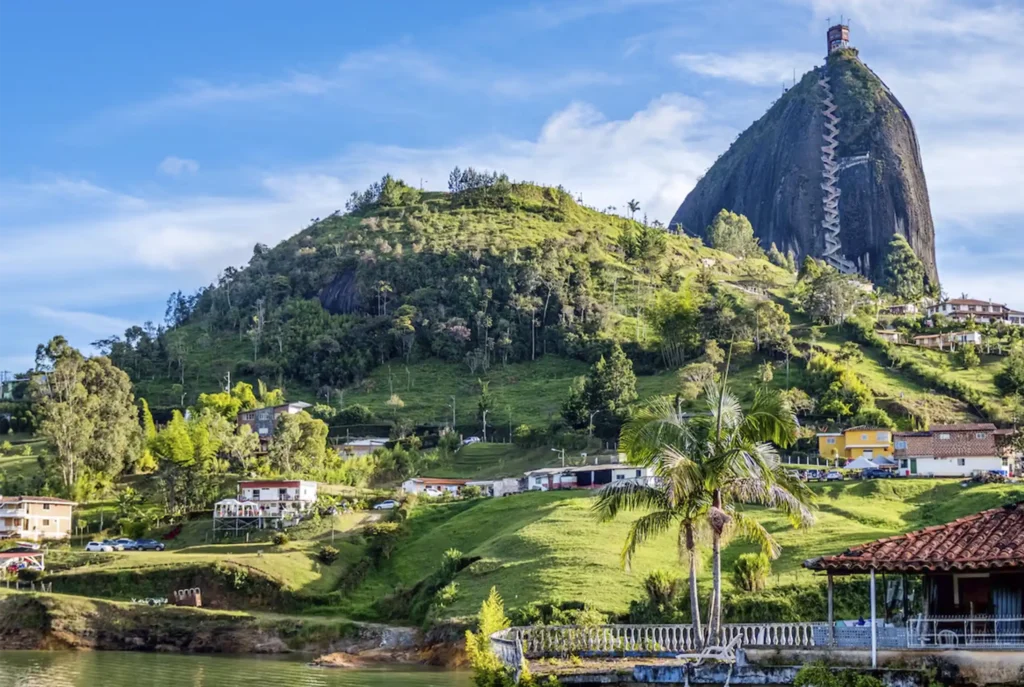
The department of Antioquia has one of the widest altitude ranges in Colombia: from 200 meters above sea level in Urabá to more than 3,000 meters in the central cordillera páramos. That range produces radically different microclimates in relatively short distances.
The Valle de Aburrá, where Medellín sits, is at 1,495 meters altitude with an average temperature of 22 degrees. Eastern Antioquia, less than two hours by car, has zones exceeding 2,500 meters altitude with temperatures that drop below 10 degrees at night. Western Antioquia, with its coffee municipalities, sits at between 1,500 and 2,000 meters with ideal temperatures for coffee and certain fruit trees.
Each of those zones produces ingredients with distinct flavor profiles. The difference is not cosmetic: altitude measurably affects the sugar concentration in fruits, the texture of tubers and the fat profile of proteins. You can see which are the star ingredients of La Makha and which specific regions each one comes from.
Cordillera tubers: density and depth of flavor
Andean tubers are one of the terroir axes that La Makha works with most consistently. Yuca, ñame, bore, arracacha and high-altitude criolla potato have flavor profiles that their lowland equivalents do not.
The criolla potato grown above 2,500 meters altitude has a starch concentration and natural sweetness that produces a creamy texture when cooked that the lowland potato does not reach. That difference is verifiable and directly affects how the tuber functions in a dish.
The arracacha, a pre-Columbian Andean tuber with a flavor profile between carrot and celery, has a density that makes it ideal for haute cuisine purées that need body without excess fat. At La Makha it appears in protein accompaniments where the tuber’s density balances the intensity of the meat.
Terroir proteins: Caldas lamb and Yolombó duck
Two of La Makha’s most representative dishes feature proteins with specific terroir: the Yolombó Duck Magret and the Caldas Lamb.
Yolombó is a municipality in northeastern Antioquia at 1,400 meters altitude. The duck from that region has a specific subcutaneous fat profile that determines how the magret responds to cooking: the fat renders differently from lowland duck fat, producing a crispy skin with a moister interior.
Caldas Lamb comes from a region with altitude pastures that produce meat with a different fat profile from lamb in other regions. The lower temperature of the area slows the animal’s metabolism and produces meat with more intramuscular fat infiltration, which translates into more flavor and more juiciness in the cooking.
That origin specificity is not a marketing argument. It is technical information the chef uses to make decisions about cooking method, accompaniment and pairing.
Antioquian terroir fruits as origin acidulants
One of the most interesting uses of the Antioquian terroir in La Makha’s cooking is the use of local fruits as acidulants instead of industrial vinegars or imported lemons.
Colombian mandarina lime has a different acidity profile from tahiti or eureka lime. Its acidity is softer, more fruital and less sharp, which produces a tiger’s milk in the ceviche that has more harmony with the Colombian Pacific tuna than an aggressive lime would.
The blackberries of La Unión (a municipality in southwestern Antioquia) have a natural acidity and a tannic profile that make them useful as a component of sauces for red meats. The Yolombó Duck Magret with La Unión blackberries is not an arbitrary combination: it is a decision where the blackberry’s acidity and tannin balance the duck’s fat in the same way that a red wine would in a classic pairing.
The logic behind those origin decisions is developed in the article on the responsible cuisine and sustainable suppliers of La Makha.
How the Antioquian terroir defines the seasonal menu
La Makha’s living menu is not living just because it changes: it is living because it responds to what the Antioquian terroir produces at each point in the year. The rainy and dry seasons in the department’s different zones affect which ingredients are at their best and which are out of season.
When the North of Santander peaches are at their optimal ripeness (with the acidity and firmness that fermentation needs for the kimchi), they appear on the menu. When Bahía Solano tuna arrives in Pacific high season, the catch of the day has a clear protagonist. When Caldas lamb is not at its best, the dish changes to another protein that is.
That level of response to the terroir requires a supplier network that La Makha’s team has built over years. It is not possible to source that way by purchasing through intermediaries who do not know the origin of what they sell.
Frequently asked questions
What is the Antioquian terroir and how does it affect La Makha’s cooking?
El terroir antioqueño es el conjunto de condiciones geográficas, climáticas y de altitud del departamento de Antioquia que afectan el carácter de los ingredientes producidos ahí. La Makha trabaja con productores de distintas zonas altitudinales del departamento para traer esa diversidad de perfiles de sabor a la mesa.
Are terroir ingredients available year-round? todo el año?
No, and that is part of La Makha’s philosophy. The restaurant’s living menu changes according to the seasonal availability of ingredients. When a specific terroir ingredient is not at its best, the dish that included it changes to a preparation with what is available at its optimal point.
Can I ask for information about the origin of the ingredients during dinner?
Yes. La Makha’s dining room team can give information about the origin of each dish’s ingredients. The chef, when in service, usually visits the tables to explain that information directly.