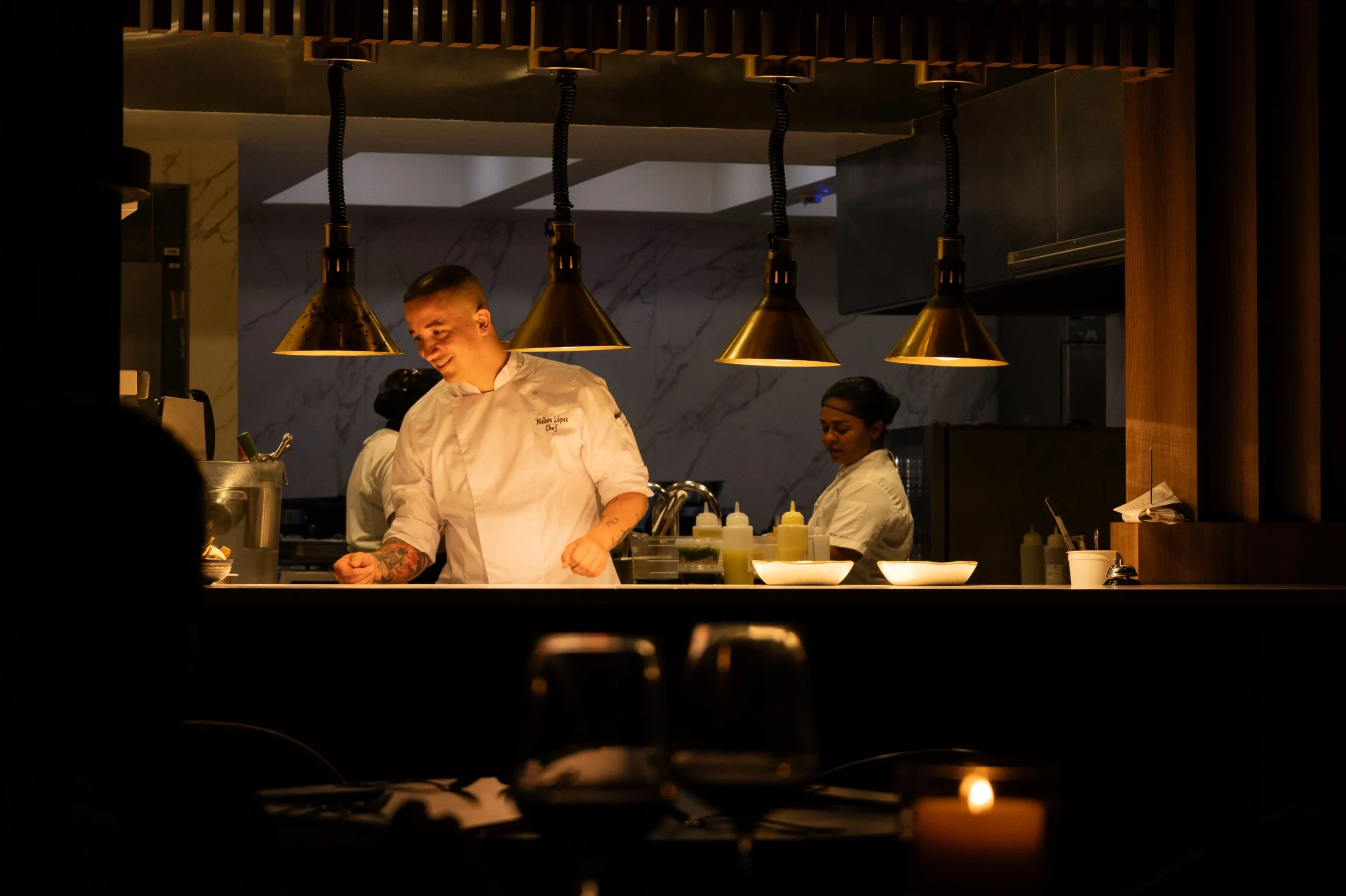
La Makha is Binn Hotel’s signature restaurant, on Carrera 25 #10-51 in El Poblado, Medellín. It’s a local bistro built on Colombian product, one that elevates local ingredients through high-cuisine techniques and supports the country’s responsible farming, fishing, and livestock industries. Its approach follows the Cocina de Origen philosophy, led by chef Nelson López, and translates into a menu inspired by a flavor journey through Colombia.
The concept behind La Makha
Behind every dish is a simple idea: let the ingredient tell its own story before transforming it into something new. That’s the premise of Cocina de Origen, the thread chef Nelson López carries through the entire menu, from the opening breads to dessert. The approach leans on native and endemic products, assembled tableside with personalized service and an energetic culinary atmosphere.
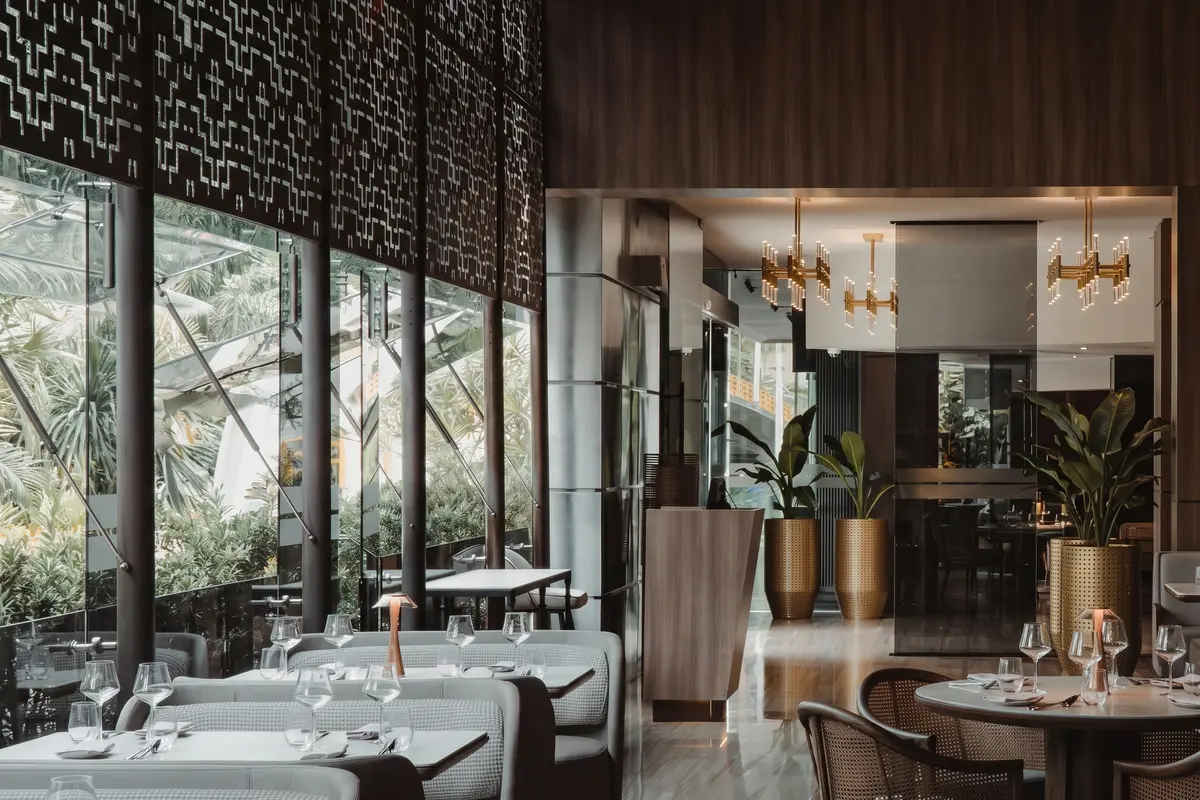
The space mirrors that same intention. Located on the first floor of Binn Hotel and open to the public, the restaurant is defined by its glass walls, which blend with metallic accents to create a space of singular beauty and originality. Live music adds another layer to an experience built for palates looking for more than just dinner. You can book a table without being a hotel guest, and the complex offers free covered parking for diners.
That identity doesn’t stop at the restaurant. La Makha is part of a broader hospitality ecosystem within Binn Hotel, where a rooftop bar with 360-degree views of Medellín, a spa, and the hotel itself come together as an oasis of wellbeing in the middle of the city. La Makha operates as a natural extension of that concept, with its own gastronomic identity inside that same philosophy.
Cocina de origen, ingredient by ingredient
The menu’s starting point is Colombian product, elevated through high-cuisine technique. That philosophy shows up dish by dish, and every preparation comes with an origin story the kitchen treats with the same care as the technique itself.
- Corn Crisp
A dish built to celebrate the corn of Montes de María: heirloom corn arepa, fresh Bahía Solano tuna tartare, wild mushroom emulsion, sorrel paste, spring onion powder, and oxalis. This course pairs with the Basil Smash cocktail, made with Viche Canao, pennyroyal, basil, lemon, and simple syrup. - Ceviche
A dish built from local vegetables and fruit that celebrates the Valle region: baked watermelon, pickled mustard seeds, mandarin lemon aioli, plantain honey, and chontaduro tiger’s milk. It’s paired with a Doña Dominga Sauvignon Blanc 2023 from Chile. The interplay between the watermelon’s sweetness and the mandarin lemon’s acidity is a contrast that repeats across different parts of the menu, and it works almost like a house signature. - Stracciatella
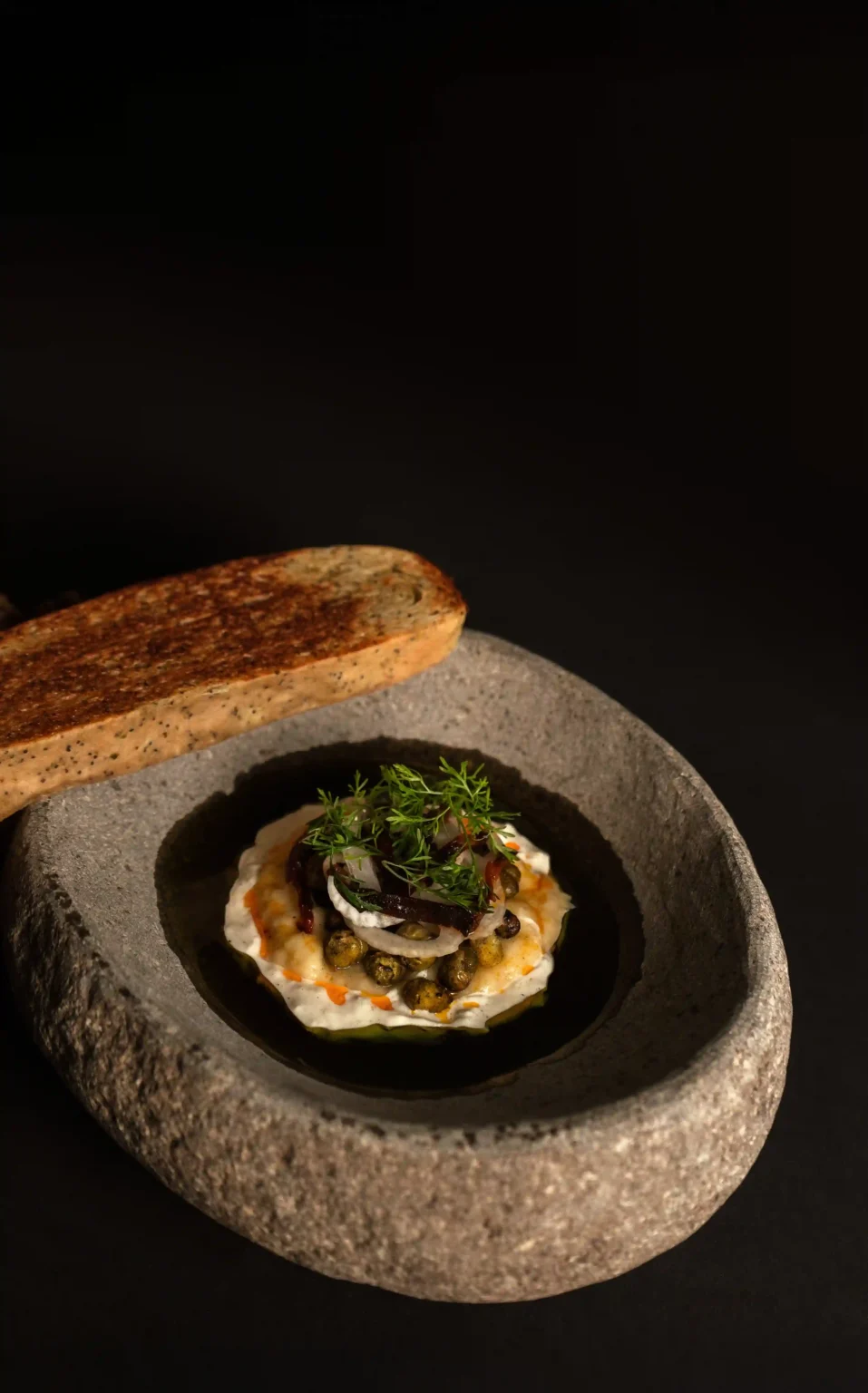
A dish meant to celebrate the heart of Colombia’s Caribbean and Andean regions: buffalo stracciatella from Planeta Rica, Córdoba, black-garlic smoked peas, fennel and orange purée, lacto-fermented San Marzano tomato, and basil sourdough bread. It’s also paired with a Doña Dominga Sauvignon Blanc 2023. - Catch of the Day
A dish that celebrates Pacific coast cuisine: fresh roasted Colombian Pacific fish with creole lemon meunière, Tumaco prawn encocado, matured in coconut oil, leaf cheese, and purple basil. Its pairing is a Cool Coast Pinot Noir 2022 from Chile. - Rice and Beef, a dish with layers
Among the menu’s main courses, Rice and Beef best illustrates the level of detail behind every preparation. It’s built on beef neck, slow-cooked for hours until it reaches a fork-tender texture. That cooking point is paired with fried rice, a fresh chalaca that brings acidity, and a soy-cured egg yolk that adds a silky creaminess to the dish. Spring onion closes it out with an aromatic final touch. It’s a clear example of how La Makha builds a single dish from several distinct techniques: slow cooking, curing, and frying, all working together on one central ingredient.
Signature techniques
La Makha’s kitchen relies on exclusive signature techniques designed to draw the most out of every ingredient before it reaches the plate:
- Confit: used on dishes like octopus, slow-cooked at low temperature for a tender texture without losing juiciness.
- Smoking: present in the peas on the stracciatella dish, adding depth without overpowering the rest of the flavors.
- Curing: the Rice and Beef carries a soy-cured egg yolk that adds a silky creaminess; the Pork, which celebrates Antioquia, is cooked in three stages (pork belly) for a crispy exterior and juicy interior, served with carrot and anise purée and beets pickled in house red wine vinegar and huacatay. It’s also paired with a Cool Coast Pinot Noir 2022.
- Light foams: found in the Lamb, a slow-braised leg cappelletti from Caldas, Antioquia, with goat yogurt and paipa cheese foam and San Marzano tomato powder with creole chilies, paired with a Doña Dominga Carmenere 2023.
- Pickling: adds acidity and contrast across several dishes on the menu, including the Pork mentioned above.
The tasting menu, a full journey
For those who want to experience several of these techniques in one sitting, La Makha offers a tasting menu designed for one, available with or without wine pairing. The full journey opens with the Corn Crisp and its Basil Smash pairing, continues with the Ceviche and the Stracciatella, moves into the Catch of the Day and the Pork, passes through the Lamb, and closes with the Flan: a creamy dessert made with vanilla from the Valle township in Bahía Solano, Viche Canao caramel, coffee foam, sour orange cream, and candied sunflower seeds, paired with a Carajillo made from Antioquian coffee, cured viche canao, and Licor 43.
This format is designed for guests who want to be guided through the kitchen without choosing dish by dish, with each pairing chosen specifically to highlight that course’s flavors and, in several stages, to showcase Viche DO as a technical ingredient within the house’s cocktail program.
Desserts that close on the same philosophy
The menu’s sweet finish follows the same logic of product and identity as the rest of the menu. The Chocolate Cake with Pork Salt combines an intense 70% cocoa, flourless cake with pork salt crystals, a contrast that plays between sweet and salty before softening with artisanal vanilla ice cream. The Symphony of Red Berries and Brown Butter, meanwhile, brings together fresh raspberries and blueberries over a brown butter crumble, also served with vanilla ice cream. These desserts are built to close the experience without losing the connection to the Colombian product running through La Makha’s entire proposal.
Book your table
Hours
- Breakfast: every day, from 6:00 to 10:30 a.m.
- Dinner: closed Monday, Tuesday, and Wednesday; Thursday and Saturday from 6:00 to 10:30 p.m.; Friday from 6:00 to 11:00 p.m.
- Sundays and public holidays: closed. There’s no lunch service any day of the week.
To book, you can email [email protected] or call +57 604 3220289. You can also follow the restaurant’s culinary story on Instagram, at @lamakharestaurante, where the team shares menu updates and glimpses of the experience inside Binn Hotel.
Live Cocina de Origen at La Makha Restaurant and book your experience in El Poblado.