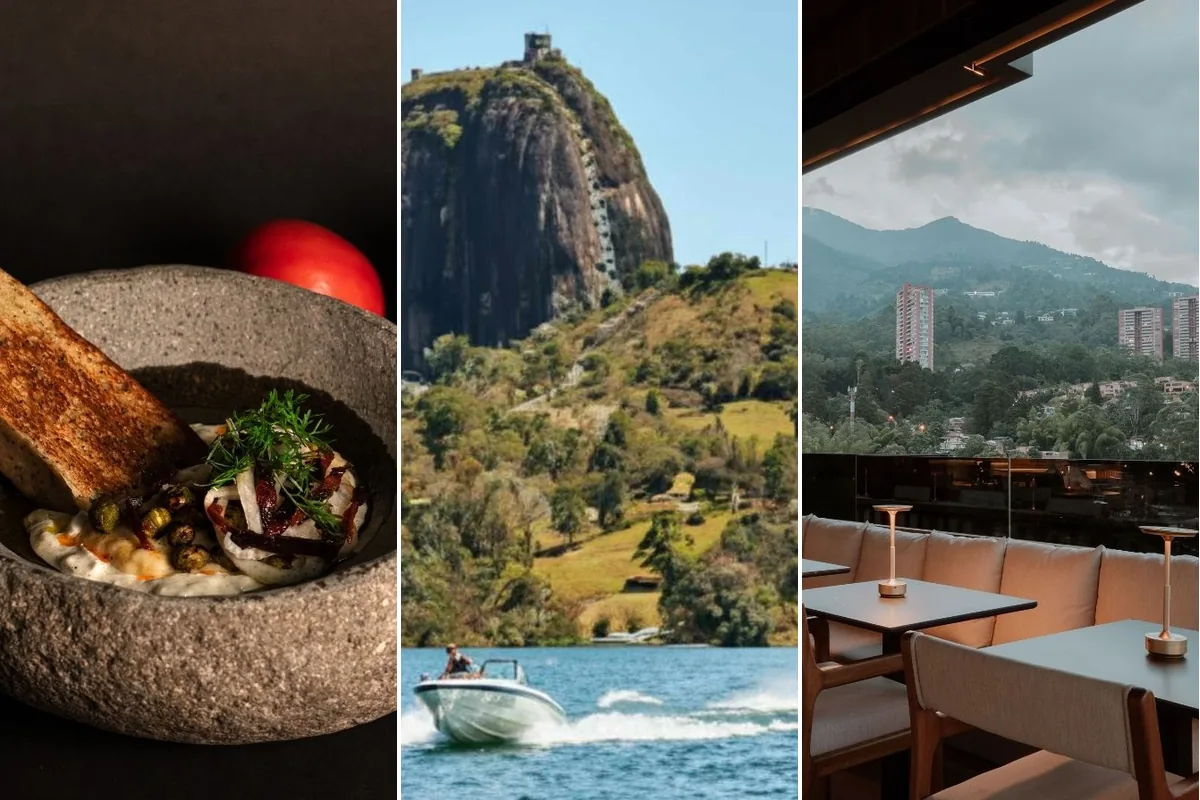
At La Makha, ingredients are not a simple accompaniment, they are the starting point. Chef David Suárez Estrada has taken on an almost archaeological task: rescuing and elevating native Colombian products that for centuries were confined to local markets, and bringing them into a fine dining context without stripping them of their origin.
Local, seasonal product
This commitment goes beyond the trend of “local.” It is a deep exploration of the flavor, texture and versatility of ingredients that capture the biodiversity of Colombian territory. Each one is treated with the same respect as a gourmet product, applying precise technique to reveal a potential that often stays hidden under a rustic or unfamiliar appearance.
That same logic shapes the rhythm of the menu. La Makha’s menu changes with the season to respect the natural cycles of each product, so what appears today as a puree, a powder or a foam may take a different form in a few months, once the ingredient is at its best.
The Antioquia terroir
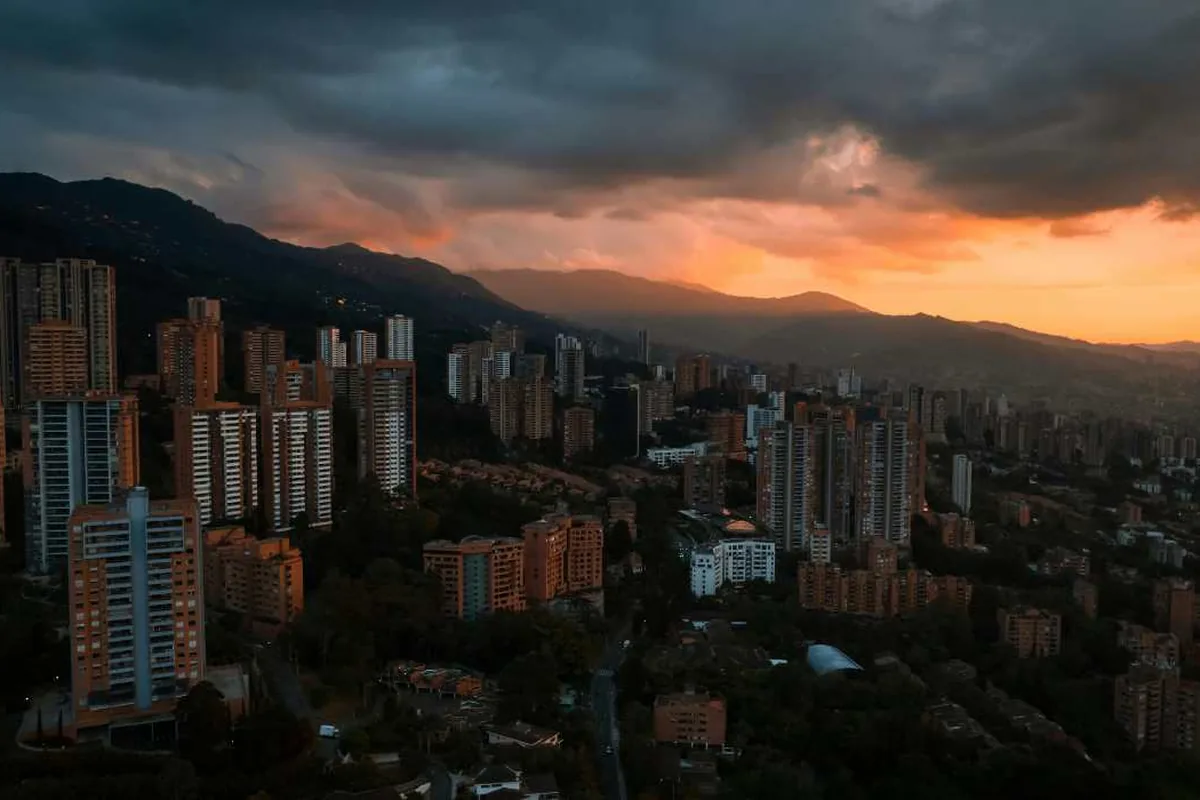
La Makha cooks from El Poblado, right in the Aburrá Valley, an Andean vantage point from which chef David Suárez Estrada builds a bridge toward Colombia’s different regions. From that kitchen in the mountains of Antioquia, the pantry of the Pacific, the Amazon and the Andes arrives, and that is exactly the exercise that defines the restaurant: not staying limited to the immediate territory, but using Medellín’s geographic position as a meeting point for ingredients that would otherwise rarely share the same plate.

Chontaduro
Cultivated since pre-Columbian times in the Pacific and the Amazon, it is, for many Indigenous communities, much more than a food, a cultural and ceremonial element known as the fruit of the gods for its high nutritional value. At La Makha it is prepared in several ways:
- Cooked and passed through a sieve to achieve a velvety puree, a base for river fish or shellfish.
- Dehydrated and ground into a concentrated powder that adds color and an umami note.
- In desserts, its natural sweetness is balanced with citrus like lemon or bitter orange.
Cubios
An Andean tuber with a yellow or purple color and a distinctive acidic flavor, another example of that closeness to the mountains. At La Makha they are turned into refined pickles or delicate chips, a treatment that respects their natural acidity rather than masking it.
From the field to the plate
Curuba de indio
Not to be confused with common curuba, this is an Amazonian plant known for the slightly numbing effect it releases when chewed, a tingling sensation followed by an intense freshness that Indigenous communities traditionally use as a condiment. In the kitchen:
- It becomes small spheres that burst in the mouth, working as a surprise element inside a ceviche.
- It is infused into creams to create light airs and foams that cleanse the palate between one course and the next on the tasting menu.
Achiote
With its bright red seeds hidden under a spiny outer shell, this has been used for millennia as a natural dye and for its earthy, slightly spicy flavor. At La Makha:
- It is ground with citrus and spices to create marinades for meats like pork and duck.
- It is infused into oil to produce vivid red orange emulsions that decorate the plates.
- It is turned into a powder that works as a colorful “earth” over purees and creams.
Borojó and Pacific catch
The exploration does not stop there. Borojó, an Amazonian fruit with a powerful flavor and a high energy content, appears in sweet and sour sauces for game meats or in reductions for desserts. Pacific catch of the day, with ingredients like piangua clams or rockfish, is treated with highly precise techniques, ceviches, raw preparations or low temperature cooking, aimed at honoring the freshness and origin of the product rather than transforming it into something unrecognizable.
This work with lesser known ingredients is also a reminder of the richness Colombia holds. Bringing chontaduro, curuba de indio and achiote into a sustainable fine dining context does not just produce different dishes, it also dignifies their origin and gives visibility to the communities that grow them.
Each of these products arrives in the kitchen with a story that predates the restaurant by centuries. Chontaduro is traditionally eaten boiled with salt and honey in Pacific and Amazonian communities. Curuba de indio, for its part, was traditionally used to relieve toothaches before becoming a fine dining resource. Achiote is perhaps the oldest of the three: its seeds have served as a natural dye for millennia, even though its Amazonian origin is rarely mentioned.
This rescue work is not about simplifying the product or turning it into a seasonal curiosity. Each ingredient goes through a process of study before reaching the plate: it is tested in different states, the technique is adjusted to its natural texture, and only then is its role in the menu decided, whether it will be the star, a supporting element or a point of contrast.
Reservations
Getting to know these ingredients at their best means sitting down at La Makha, the restaurant inside Binn Hotel, in El Poblado, Medellín.
Hours
- Breakfast: daily, from 6:00 to 11:30 a.m.
- Dinner: Monday through Thursday, from 6:00 to 10:00 p.m.; Friday and Saturday, from 6:00 to 10:30 p.m.
- Sundays and holidays: closed.
To reserve, you can write to [email protected] or call +57 604 3220289.