Classic fine dining had a problem the restaurant industry took decades to acknowledge: it was designed to impress more than to enjoy. The rigid protocol, the millimeter-synchronized service, the almost liturgical silence of the dining room and the distance between the team and the diner produced experiences diners went out to talk about, but not necessarily to repeat.
Something changed in the first half of the 2020s. The most internationally reputed restaurants began abandoning elements of classic protocol not out of carelessness but by decision: they removed service trolleys, reduced the number of cutlery pieces on the table, lowered the height of tablecloth drops. They simplified without lowering the level of the food.
What remained when unnecessary protocol was removed was the essence of fine dining: quality ingredient, solid technique, service that understands the diner.
Silent luxury as a response to ostentatious luxury
The silent luxury concept in gastronomy is not new, but in 2026 it has more relevance than ever as a response to a trend of displaying the price of the dish more than its quality.
In many high-price restaurants in Medellín and other cities, luxury is communicated through elements the diner can photograph: recognizable brand tableware, nitrogen or gold leaf presentations, menus where prices function as status signals. Those elements communicate price, not necessarily quality.
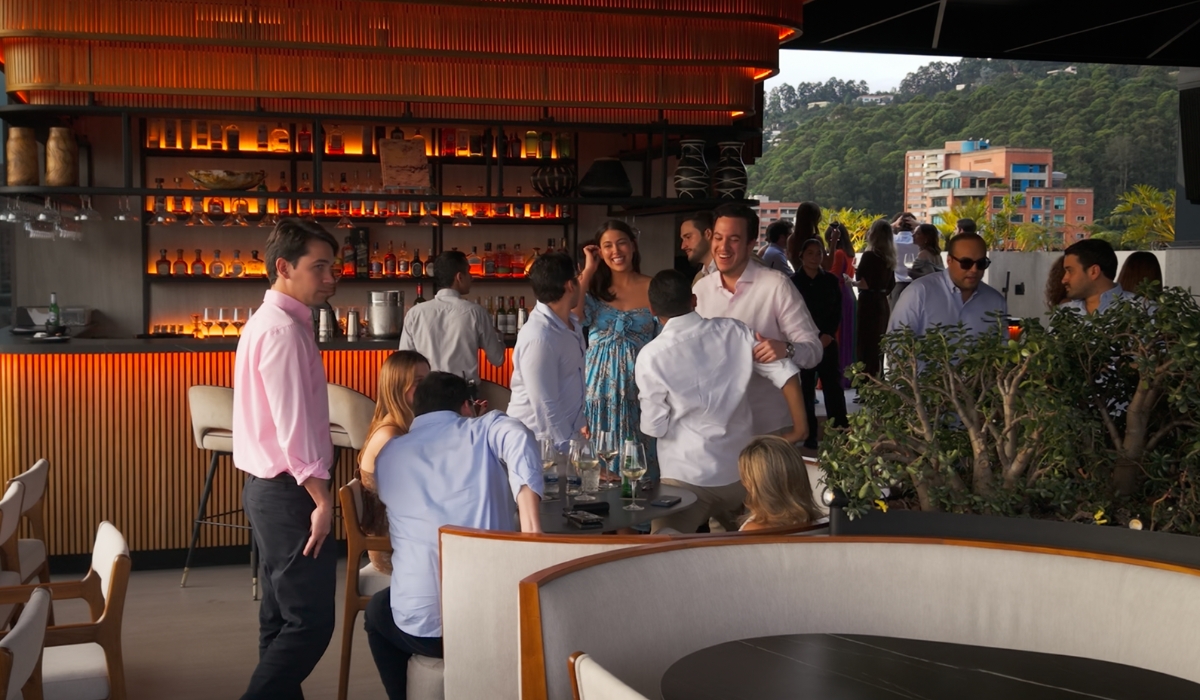
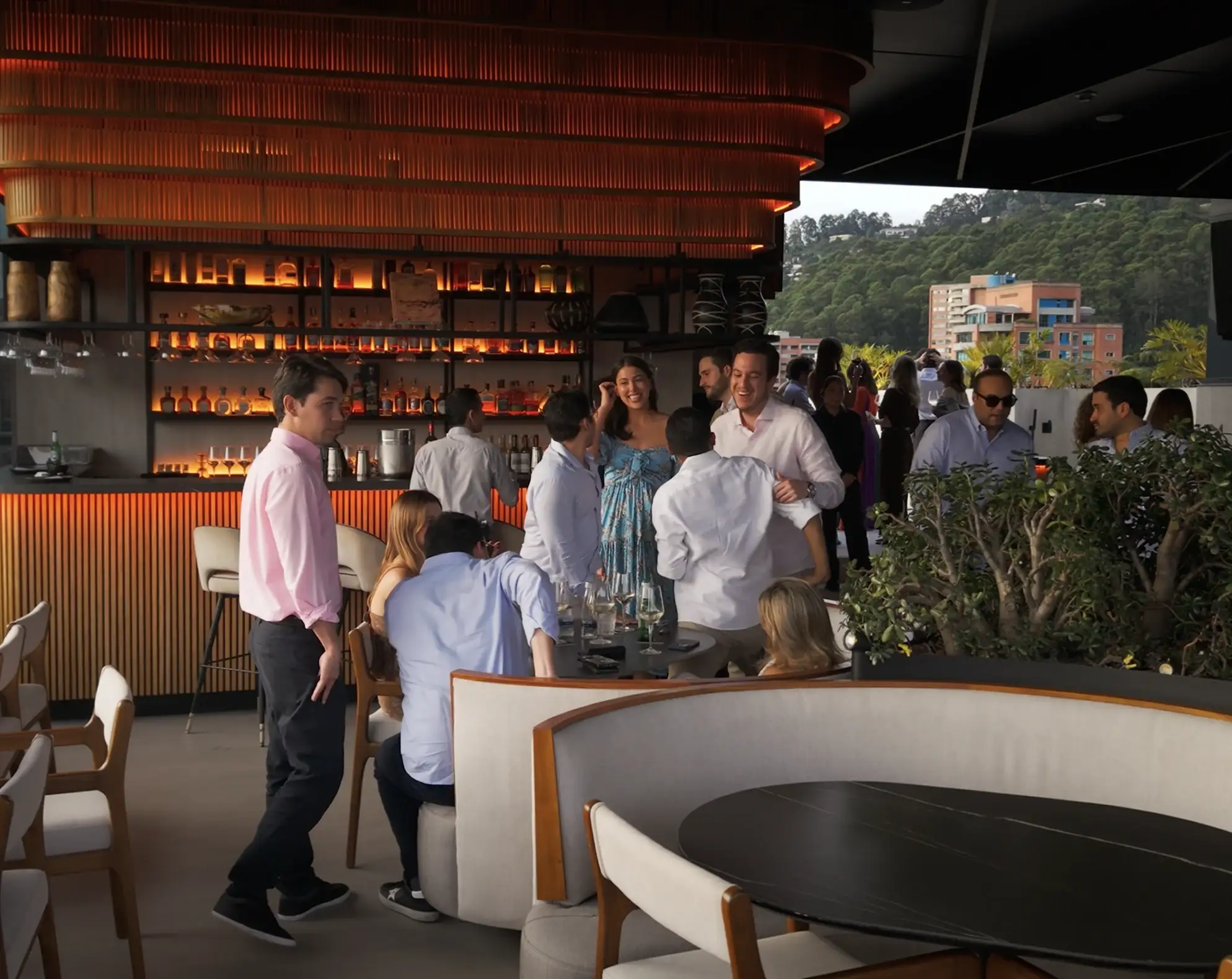
La Makha represents the opposite model. Binn Hotel’s tagline (“Discover the art of inhabiting silence”) is not just a slogan: it describes a service philosophy where quality does not need to be announced because it is experienced. The glass and metal space has no redundant decoration. The menu has no exotic imported ingredients to justify the price. The service does not interrupt conversations to perform unnecessary flourishes.
What there is is the Colombian ingredient in its best version, treated with the technique that presents it best. That is fine dining in its most evolved form. The design and atmosphere of La Makha are the physical expression of that same philosophy.
Service that anticipates without intruding
Service in classic fine dining had a paradox: the more visible it was, the worse it was for the diner. A team that synchronizes dish arrival to the millisecond, removes cutlery with military protocol and interrupts conversations to make formal presentations of each dish produces an experience where the service competes with the food and the conversation for the diner’s attention.
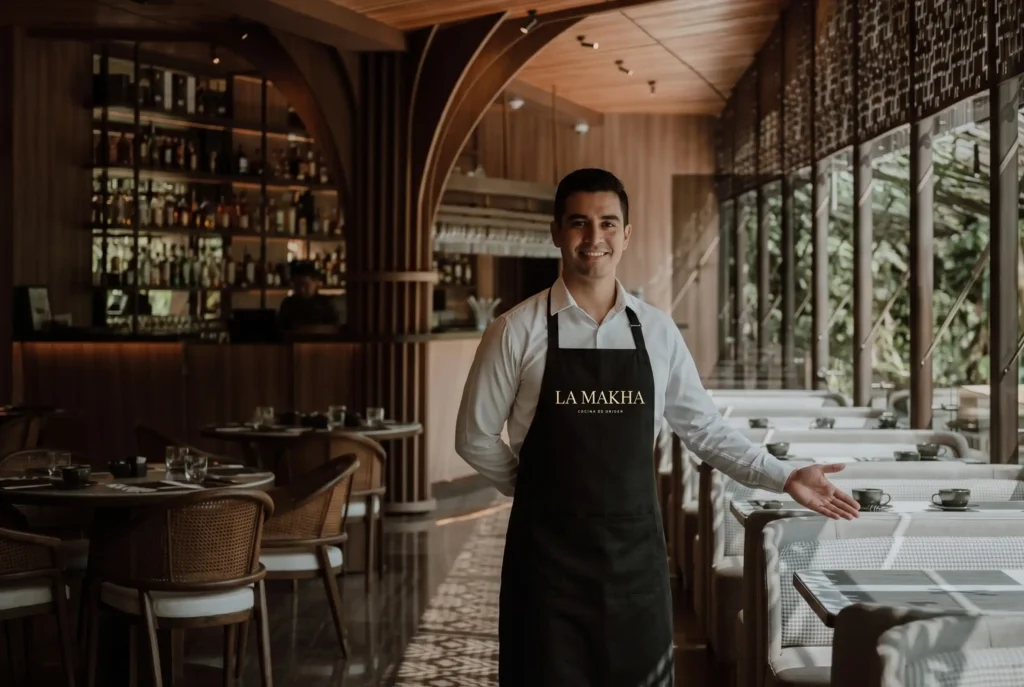
Evolved service anticipates without intruding. The team knows when the diner is ready for the next dish without needing to ask, reads the conversation’s rhythm to choose the right moment to intervene, and has the judgment to reduce formality when the table calls for it without that implying negligence.
At La Makha, that service model manifests in concrete details: the tasting menu’s rhythm adjusts to the table’s rhythm, not the other way around. If an important conversation is happening at the point where the next course should arrive, the dish waits. If the table is ready sooner than usual, the pace accelerates.
Conversation as part of the experience
One of the most significant shifts in evolved fine dining is the integration of conversation between the kitchen team and the diner as part of the experience, not as an exception.
When chef David Suárez Estrada visits the tables to explain the dishes, that interaction is not a performance designed to create an anecdote. It is real information about the ingredient, its origin and the technical decision that brought it to the plate in that specific form. The diner who receives that information has a qualitatively different gastronomic experience from the diner who eats the same dish without that context.
La Makha’s dining room team can answer questions about the ingredients with the same level of knowledge as the chef, because they work with a living menu that requires everyone in the restaurant to understand what is on the table. That is the reason why La Makha goes beyond fusion and builds its own identity that does not depend on external references.
Rhythm as a design element
Classic fine dining had a fixed rhythm that all diners experienced equally. Evolved fine dining recognizes that the table’s rhythm is part of the experience design and must adapt to the diner.
A 7-course tasting menu does not have to last exactly 2 hours and 15 minutes. It can last 2 hours or 2.5 hours depending on how the table is using the time. A couple on a romantic dinner probably wants more time between courses so the conversation is not constantly interrupted by arriving dishes. A business group may want a faster pace because they have commitments afterward.
La Makha’s team reads that rhythm and adapts. Not because there is a protocol dictating it, but because the service criterion is the diner’s experience, not the dining room’s operational efficiency.
Frequently asked questions
What makes La Makha’s fine dining different from classic fine dining?
La Makha operates with a silent luxury model where service anticipates without intruding, the atmosphere is sophisticated without being intimidating and the conversation between the team and the diner is a natural part of the experience. There is no rigid protocol or unnecessary formality: there is judgment, ingredient quality and adaptation to each table’s rhythm.
Is La Makha’s fine dining accessible for someone not accustomed to haute cuisine restaurants?
Yes. La Makha’s atmosphere is not intimidating. The team can explain the dishes and ingredients with the same level of detail to a habitual fine dining diner and to someone coming for the first time. The sophistication is in the food, not in a protocol the diner has to decipher.
Can I request a slower or faster pace for the tasting menu?
Yes. Informing the team about the preferred pace when booking or at the start of the dinner allows the service to adapt. La Makha’s tasting menu has a standard rhythm design, but adaptation to the table’s rhythm is part of the service.