Medellín no es sólo la ciudad de la eterna primavera: también se está convirtiendo en una de las escapadas urbanas más románticas de América Latina. Entre su clima cálido, su horizonte centelleante y su vibrante escena culinaria, la ciudad está hecha para pasar veladas inolvidables. Y para las parejas que buscan una experiencia gastronómica única y elevada, Medellín ofrece en todos los sentidos.
Ya sea que estén celebrando una luna de miel, un aniversario o simplemente la alegría de estar juntos, estas son las mejores experiencias para generar romance, con el Binn Hotel en el centro de todo.
ETRO Rooftop: Medellín’s Most Romantic Skyline Bar
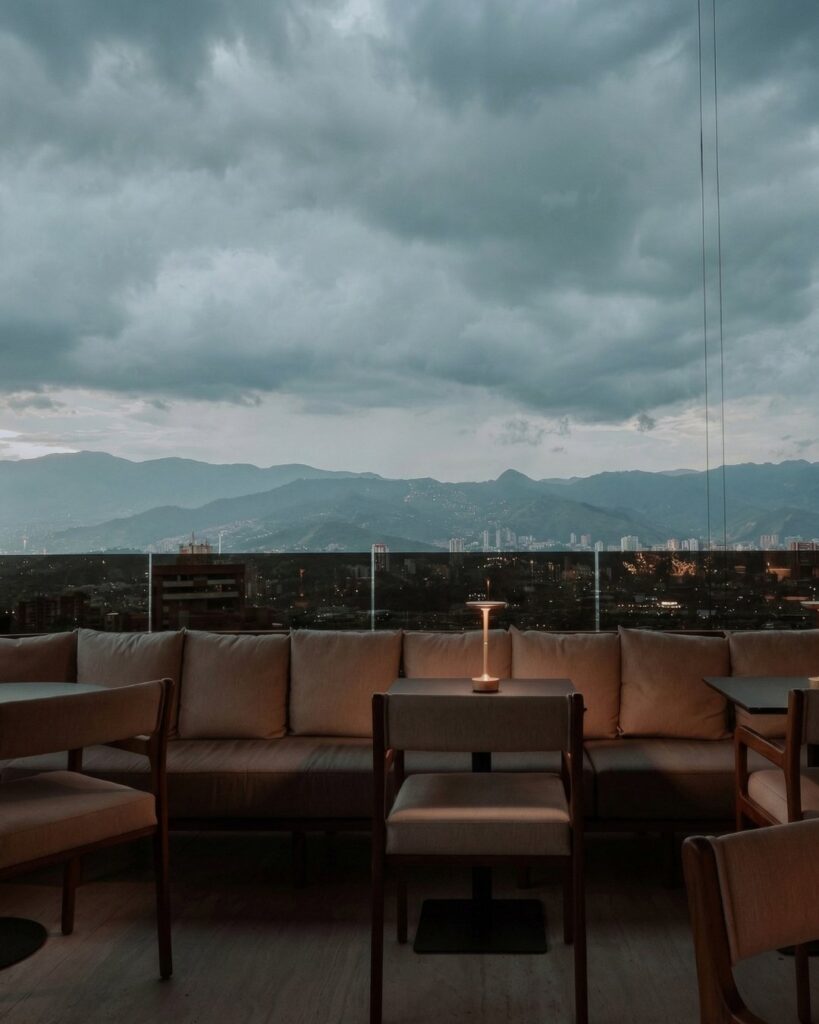
Ubicado en el último piso del Binn Hotel, Bar en la azotea ETRO es la definición de sofisticación romántica. El espacio fue diseñado pensando en las parejas: iluminación acogedora, vistas panorámicas y cócteles artesanales que despiertan los sentidos.
Por qué las parejas aman ETRO:
-
- Cócteles al atardecer con una vista de 360° de las luces de la ciudad de Medellín: Imagínate brindando mientras el sol se esconde detrás de las montañas y la ciudad se ilumina ante tus ojos. Las vistas desde ETRO crean un telón de fondo mágico para momentos íntimos.
-
- Asientos lounge perfectos para conversaciones cercanas y momentos compartidos: Los cómodos y elegantes espacios de ETRO invitan a acurrucarse y disfrutar de la compañía de los demás, creando un ambiente relajado y romántico.
-
- Bebidas exclusivas como la “Flor del Valle” o el “Antioqueño Sour” que combinan ingredientes locales con mixología global: Cada cóctel es una obra de arte, diseñada para sorprender y deleitar. Compartir estas creaciones únicas añade un toque especial a la velada.
-
- Un menú de bocados curados con platos perfectos para compartir: Desde delicadas tapas hasta exquisitos aperitivos, el menú de ETRO complementa perfectamente sus cócteles, fomentando el compartir y la conexión.
-
- DJ en vivo o música acústica en noches selectas agregan el toque final a su cita nocturna en la azotea: La música cuidadosamente seleccionada crea una atmósfera inmersiva y romántica, elevando la experiencia a otro nivel.
ETRO Rooftop no es sólo un bar; es un santuario romántico en las alturas de Medellín, diseñado para crear recuerdos duraderos.
La Makha: cena íntima con alma colombiana
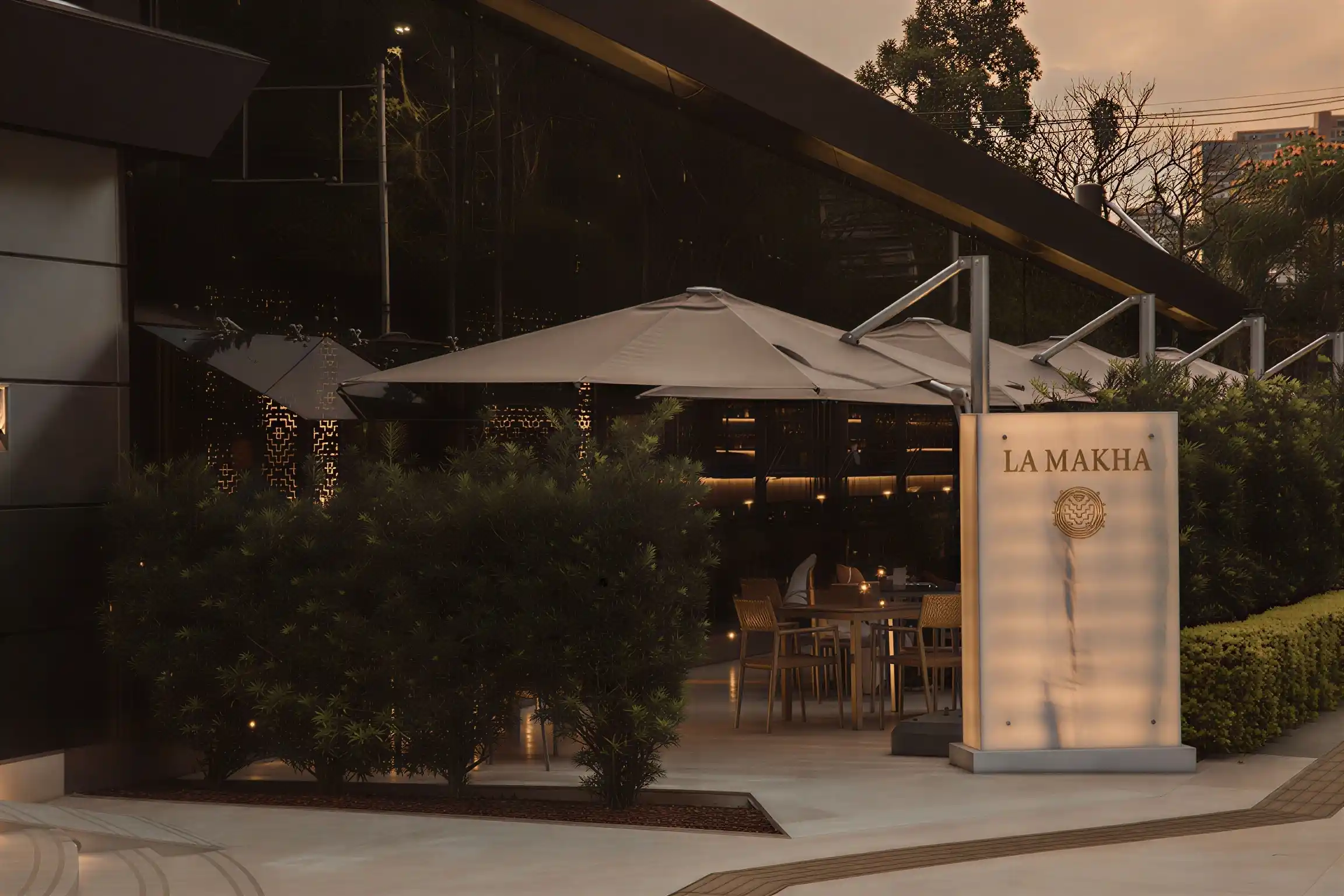
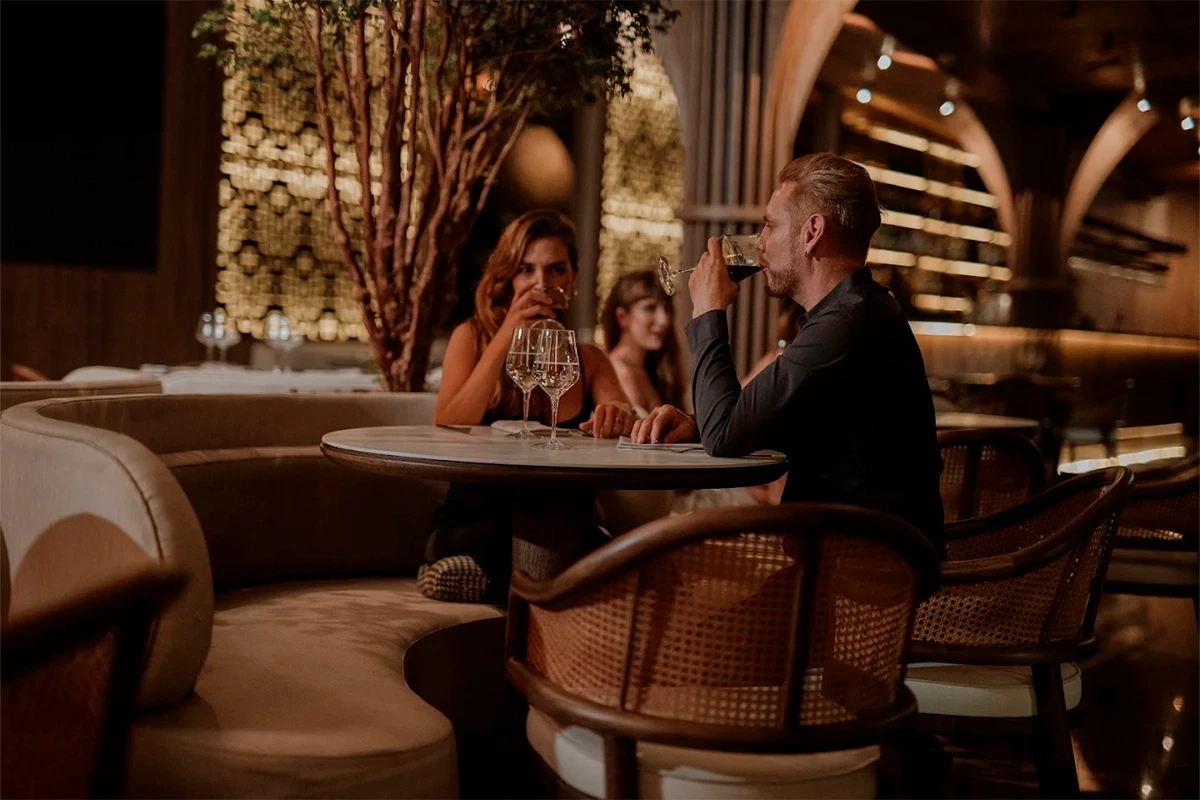
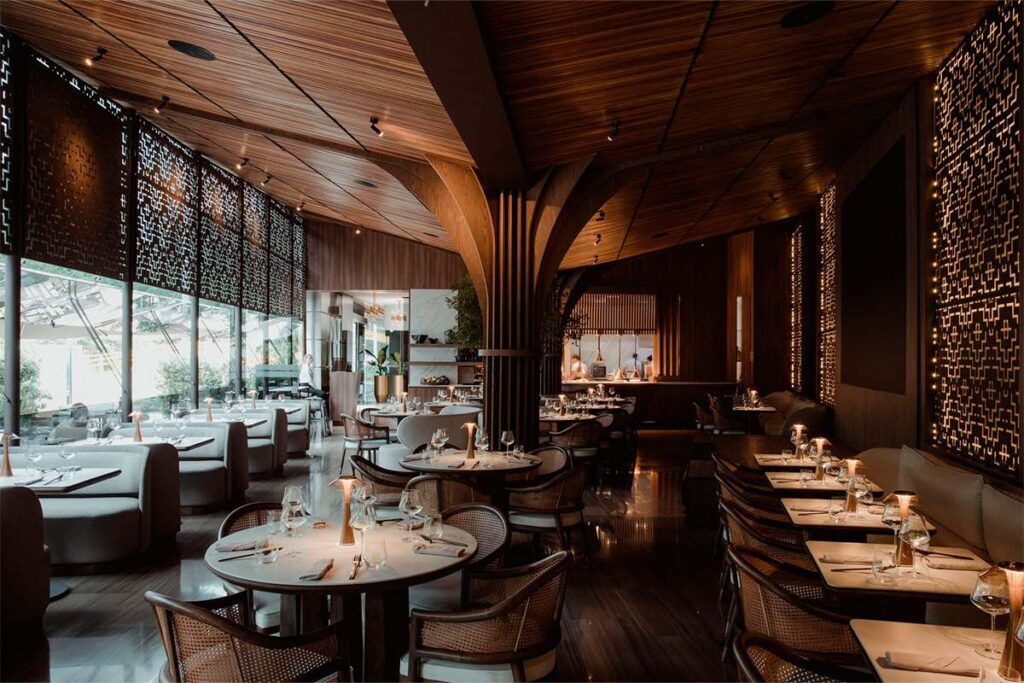
Para parejas que buscan cenar en un ambiente más tranquilo y refinado, La Makha, el bistró exclusivo del Binn Hotel, es la alternativa perfecta. Con iluminación tenue, texturas orgánicas y un menú basado en la biodiversidad colombiana, La Makha está hecha para una cena lenta e intencional.
Lo más destacado para cenas románticas:
-
- Menús degustación de varios platos diseñados para compartir: Experimenten juntos una sinfonía de sabores colombianos, cuidadosamente elaborada para despertar la curiosidad y fomentar la conversación.
-
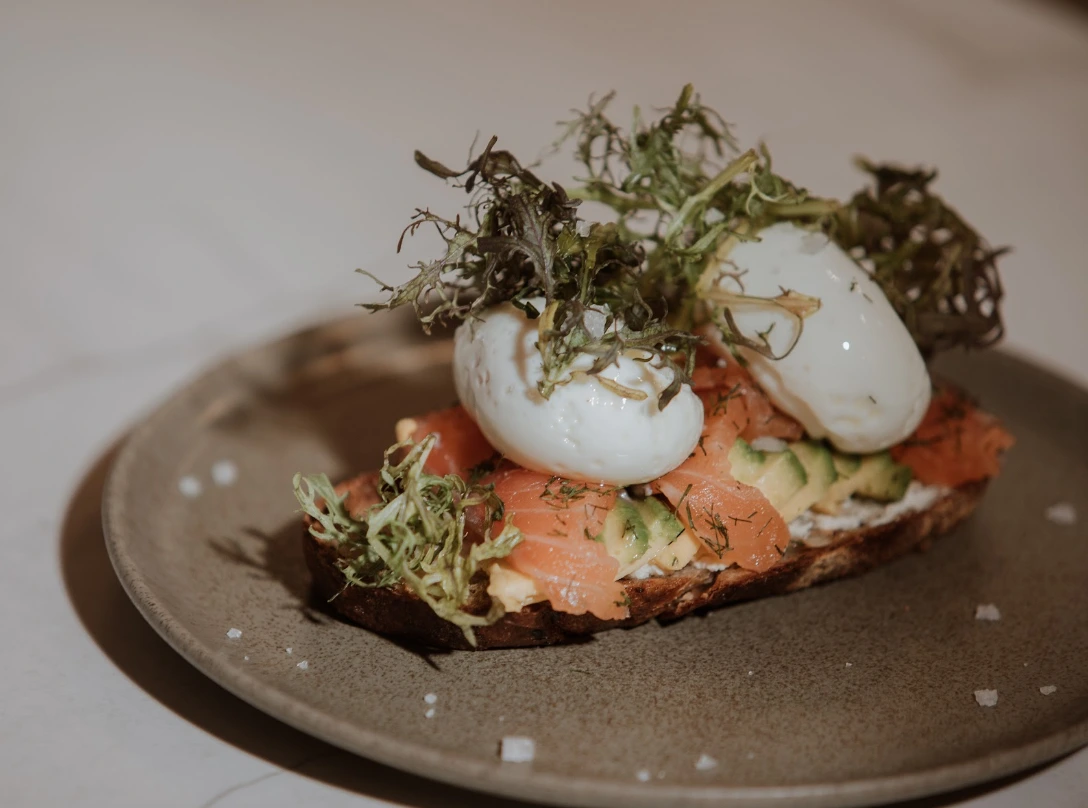
- Ingredientes endémicos transformados en platos gourmet: Descubre la riqueza de la despensa colombiana a través de innovadoras y sorprendentes creaciones culinarias. Cada plato cuenta una historia de la tierra y sus tradiciones.
-
- Finos vinos sudamericanos y cócteles botánicos: Un maridaje perfecto para realzar los sabores de la cena, con opciones que van desde elegantes vinos hasta refrescantes cócteles con toques locales.
-
- Un ambiente que se siente como un retiro culinario privado: La decoración cálida y acogedora, combinada con un servicio impecable, crea un espacio íntimo y especial para disfrutar en pareja.
La Makha es ideal para parejas que valoran la intimidad, la creatividad y la autenticidad en sus experiencias gastronómicas, ofreciendo un espacio para conectarse a través de la comida y el ambiente.
Otras experiencias románticas cercanas
Una vez que hayas disfrutado de la magia de la azotea y el bistró del Binn Hotel, Medellín tiene mucho más para explorar en pareja:
-
- Cena con vistas a la ciudad en El Cielo o Restaurante Carmen: Sumérgete en la gastronomía colombiana de alta gama con impresionantes vistas panorámicas de la ciudad iluminada.
-
- Paseo nocturno por los barrios de Provenza o Manila: Descubra el encanto bohemio de estas zonas, con sus calles adoquinadas, acogedores cafés y luces tenues que invitan al romance.
-
- Conductor privado para observar el vino y las vistas después de la cena: Escápate del bullicio de la ciudad y disfruta de un momento de tranquilidad con vistas panorámicas y una copa de vino bajo las estrellas.
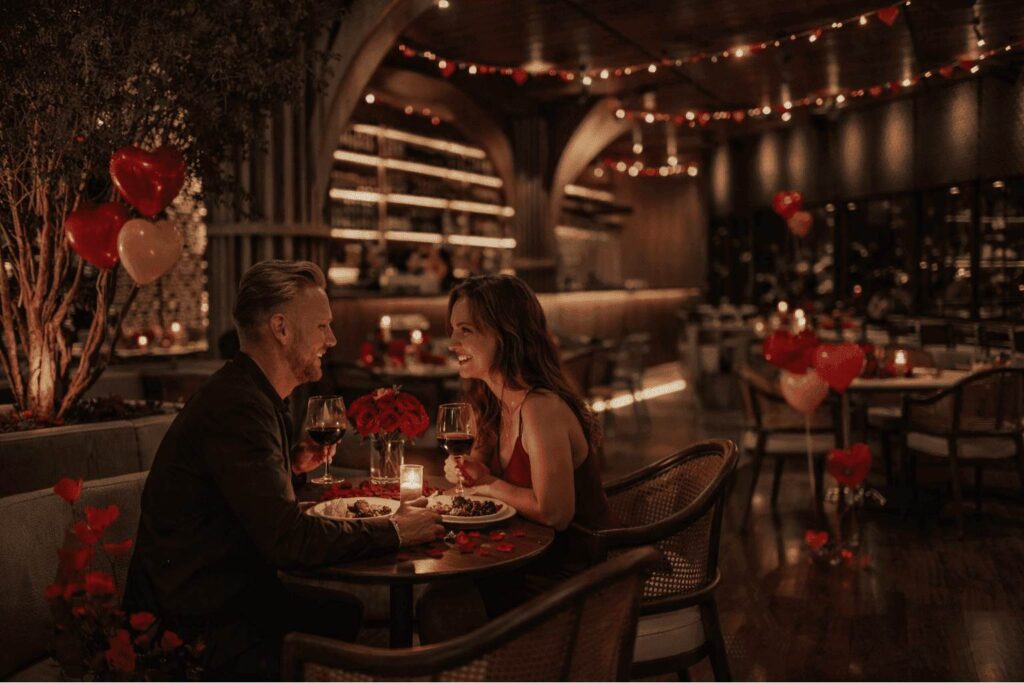
Pero para muchas parejas, la noche termina donde empezó: de regreso a ETRO con un último cóctel bajo las estrellas, o un delicioso postre en La Makha a la suave luz de las velas, reviviendo los momentos mágicos de la velada.
Lo que dicen las parejas
-
- «Vimos la puesta de sol en ETRO, cenamos en La Makha y terminamos con un vino bajo las estrellas. Fue la noche más romántica de todo nuestro viaje». – Olivia y Josh, invitados de Miami.
-
- «El ambiente, los sabores, el servicio… todo fue hecho para dos. Medellín es romántica, pero Binn la hace inolvidable». – Carlos & Andrea, invitados de CDMX.
La experiencia gastronómica más romántica de Medellín comienza aquí
Si buscas crear una noche para recordar en Medellín, comienza tu historia de amor en Binn Hotel. Con su exclusivo bar en la azotea, su íntimo bistró y sus vistas panorámicas, Binn ofrece una experiencia romántica completa adaptada a los amantes de la elegancia, el gusto y la conexión profunda.