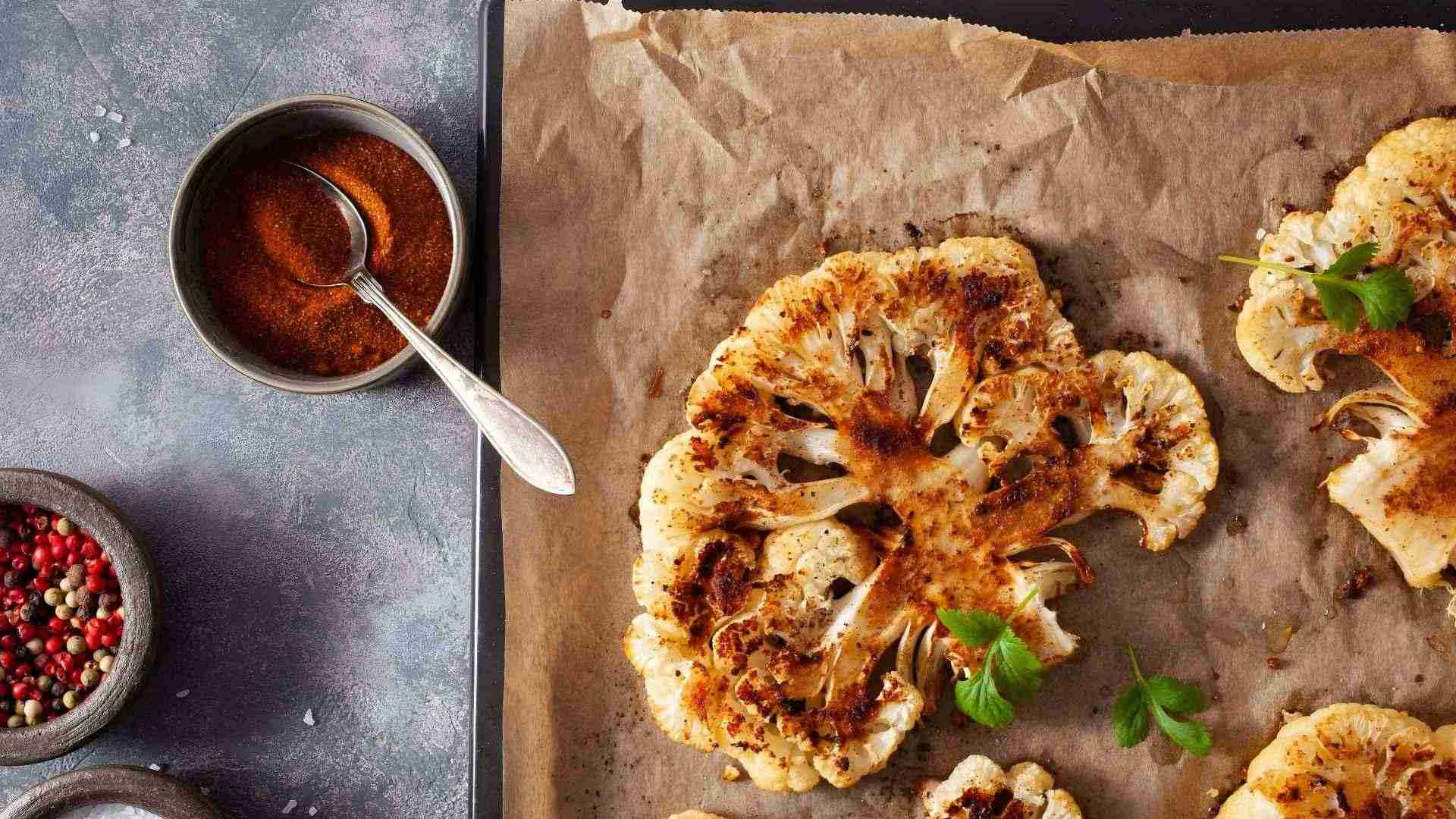
For years, being vegan or vegetarian at a rooftop meant settling for an improvised salad or fries that weren’t even on the menu. The “no meat” option was a concession, not a concept. That has changed. Medellín is experiencing a transformation where conscious eating is no longer a limitation—it’s a creative direction that some of the city’s best spaces are exploring seriously.
The question is no longer whether options exist. It’s how good they are.
Conscious dining on a rooftop: what to expect
Before choosing where to eat, it’s worth calibrating expectations. Not all rooftops that claim to offer “vegetarian options” deliver the same level. There are clear tiers:
- Basic level:
The menu includes one or two meat-free dishes, usually a salad or a generic risotto. These are compromises, not convictions. They meet the requirement but don’t inspire. - Intermediate level:
There are dedicated plant-based sections with dishes designed from scratch—not adapted from meat-based recipes. Ingredients are intentional, and technique is present. - Advanced level:
Vegan or vegetarian cuisine is not a separate section—it’s integrated into the restaurant’s philosophy. Vegetables are the main characters, not substitutes. The same level of technique is applied as with any other dish.
In Medellín, rooftops operating at the advanced level are still few. But they exist—and the difference is noticeable from the first bite.
Etro Rooftop: vegetables as protagonists
Etro’s culinary proposal is built on a strong foundation of local vegetables and fruits, treated with modern, fresh techniques. It’s not an exclusively vegan menu—it’s a concept where plant-based ingredients hold the same importance and sophistication as animal proteins.
The sharing-plate format works especially well for plant-based diners. Instead of ordering “the only vegan option,” guests choose from dishes designed to stand on their own. Vegetables treated to enhance flavor and texture, fruits appearing in unexpected contexts, combinations that challenge the idea that a meatless dish is incomplete.
This approach aligns with the identity of the space. Etro doesn’t offer vegan options as a market concession—it does so because its philosophy centers on Colombian ingredients, and Colombia is a country with extraordinary plant diversity.
The Binn ecosystem: La Makha and root-based cuisine
Within Binn Hotel, the approach to conscious dining extends beyond the rooftop. La Makha, the hotel’s restaurant, works with a Colombian signature cuisine concept rooted in local products and responsible sourcing, naturally supporting vegan and vegetarian dishes.
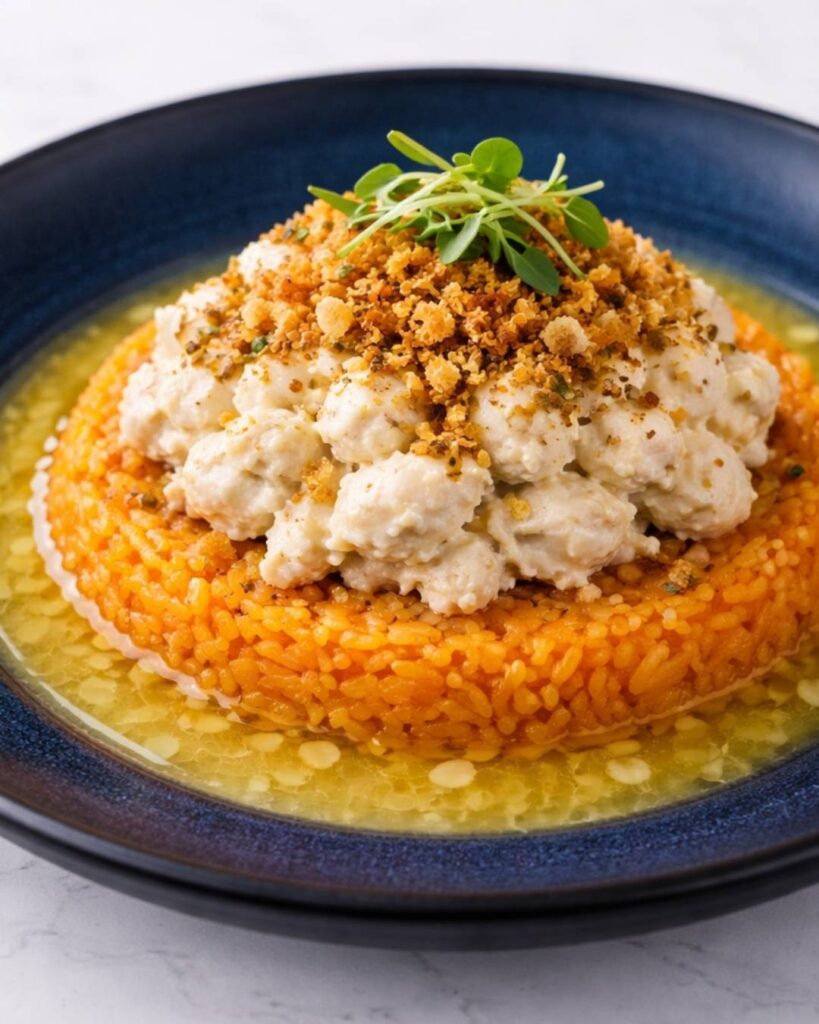
Some examples illustrate the level: baked watermelon ceviche—a reinterpretation where fruit takes on the role of seafood with surprising texture—and stracciatella with smoked peas, where smoking techniques transform a familiar ingredient into something entirely new.
These are not filler dishes. They are creations by Chef David Suárez Estrada that demonstrate how plant-based cuisine, when treated with the same seriousness as any other culinary approach, can become the most compelling part of the menu.
For guests, the advantage is clear: whether staying at or visiting Binn, they have access to two complementary experiences—Etro above, with its sharing format and valley views, and La Makha, with its depth of technique and product—both aligned with conscious dining.
Local ingredients: Colombia’s advantage
Colombia has a unique advantage in plant-based cuisine: biodiversity. The country produces fruits that don’t exist elsewhere, vegetables grown in unique microclimates, and herbs with flavor profiles impossible to replicate through imports.
Rooftops and restaurants in Medellín that work with local producers have access to this natural pantry. Fruits like lulo, guanábana, corozo, or gulupa appear in dishes and cocktails, bringing acidity, sweetness, and aroma that no standard ingredient can match.
For plant-based diners seeking authentic culinary experiences, Medellín offers something even cities like Berlin or Los Angeles cannot: local, diverse, and often unfamiliar ingredients. Every dish becomes a discovery.
Beyond vegan: special dietary options
Conscious dining is not limited to eliminating animal products. Many guests look for gluten-free, dairy-free, low-sodium, or allergy-friendly options. The good news is that concepts built around fresh ingredients and modern techniques tend to be naturally adaptable.
At Etro and La Makha, the foundation of vegetables, fruits, and seafood allows for adjustments without compromising the integrity of the dish. It’s very different from modifying a traditional dish than enjoying one that was designed from the start to work within those parameters.
The recommendation is to communicate any dietary restrictions when booking. This allows the kitchen team to prepare thoughtful alternatives—not last-minute improvisations.
Sharing as the format
There’s something inherently social about plant-based dining when served in a sharing format. The table fills with different preparations, everyone tries everything, flavors are discussed, combinations are discovered. It removes the rigidity of individual plates and turns dinner into a collective experience.
At Etro, this is the standard format—and it works especially well for mixed-diet groups. Some guests eat everything, others are vegetarian, someone is vegan. Sharing plates allow everyone to participate equally without feeling like they’re ordering from a “separate” menu.
It’s a sign of a mature concept. When the vegan dish is the one everyone wants to try—not the one no one ordered—the experience is working.
How to book
For guests with specific dietary needs, booking in advance is not just recommended—it’s the best way to ensure the experience meets expectations. By indicating preferences at the time of reservation, the team can prepare personalized recommendations.
Reservations are handled through the official channels of Binn Hotel and Etro Rooftop. When booking, you can review the updated menu and ask about specific options for vegan, vegetarian, or restricted diets. For those looking to complete the experience with a drink that complements plant-based cuisine, Etro’s bar also offers non-alcoholic options with the same level of complexity as its signature cocktails.
FAQs
Does Etro Rooftop have a vegan menu?
The menu includes dishes based on local vegetables and fruits that suit vegan diets. It’s not an exclusively vegan menu, but one where plant-based ingredients take center stage.
Are there vegetarian options at La Makha?
Yes. La Makha’s concept supports high-level vegetarian dishes, including options like baked watermelon ceviche and stracciatella with smoked peas.
Can I request gluten-free dishes?
The use of fresh ingredients and modern techniques allows for gluten-free adaptations. It’s recommended to indicate this when booking.
Does the sharing format work for mixed diets?
It’s ideal. Sharing plates allow guests with different dietary preferences to enjoy the same experience together.
Are there non-alcoholic cocktail options?
Yes. Etro offers alcohol-free creations with the same complexity as its signature cocktails, designed to complement the full dining experience.
Reserve your dining experience through the official channels of Binn Hotel / Etro Rooftop.