The concept of terroir comes from wine. It describes the relationship between a product and the place where it was born: the soil, the climate, the altitude, the hands that cultivated it. In gastronomy, that same concept applies when a restaurant takes seriously the origin of what it serves. Saying that ingredients are local is not enough. You need to know which farm they come from, the conditions under which they grew and why that changes what arrives on the plate.
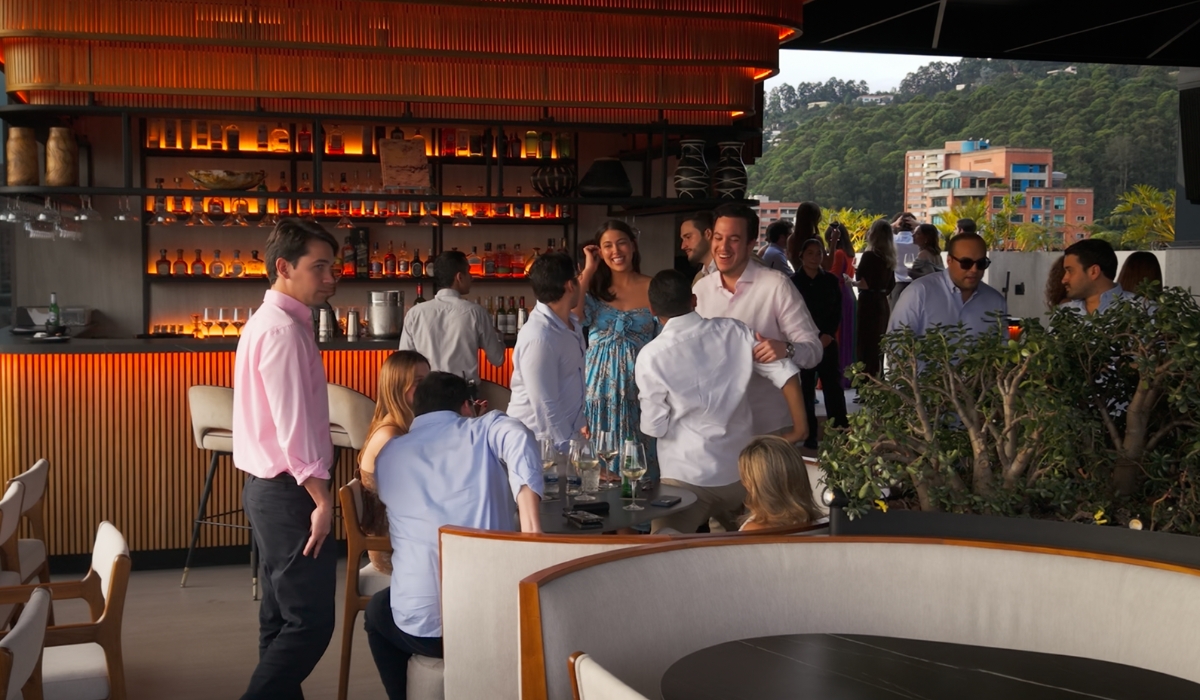
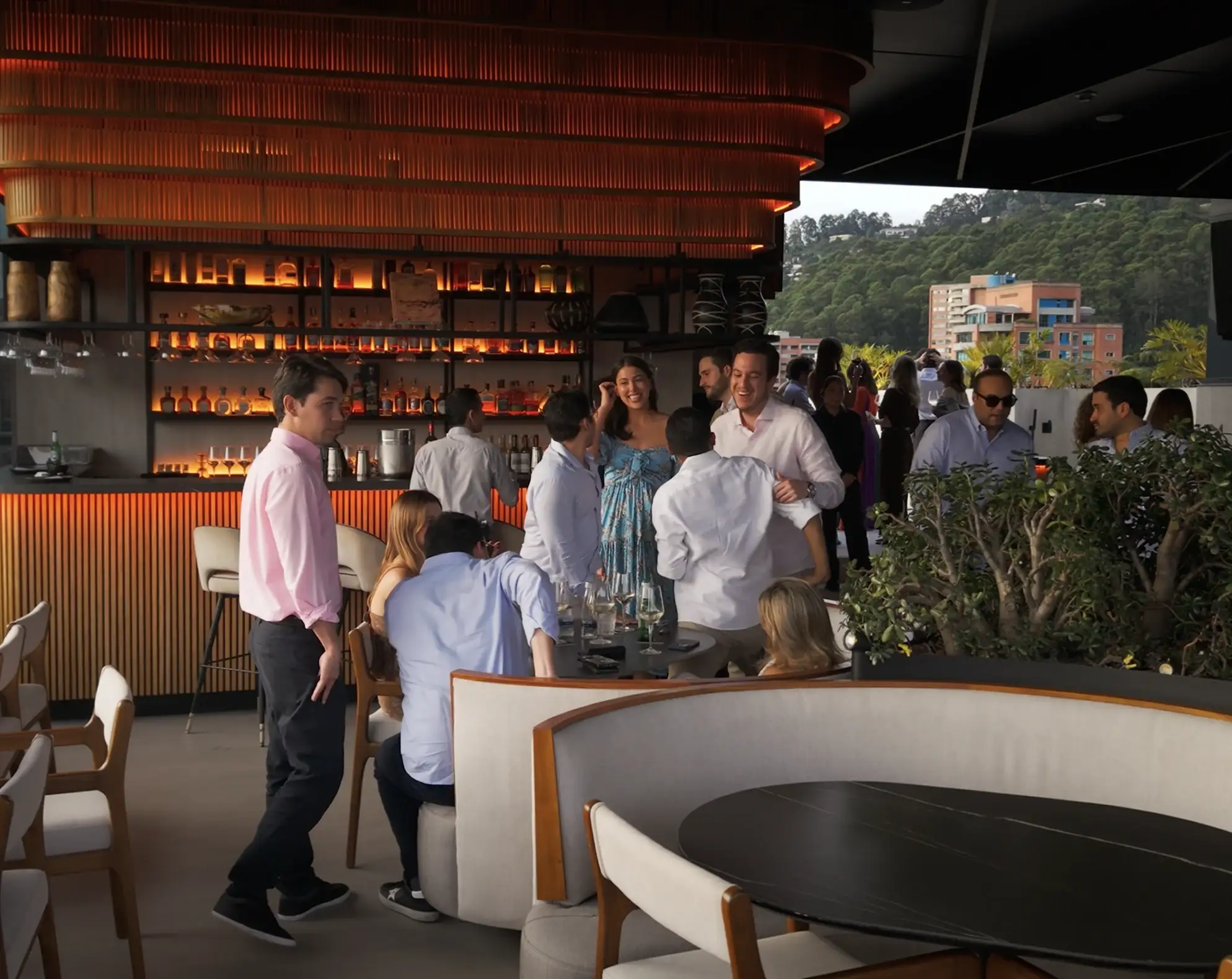
La Makha Restaurant, on the first floor of Binn Hotel in El Poblado, Medellín, works with that logic. It is not a traditional Antioquian cuisine restaurant and it does not pretend to be. It is a Colombian author bistro that uses local product as a starting point, treats it with contemporary haute cuisine technique and presents it in a context that gives it a new dimension. The Antioquian terroir is not the decoration of the proposal. It is the foundation.
What working with terroir means in Antioquia
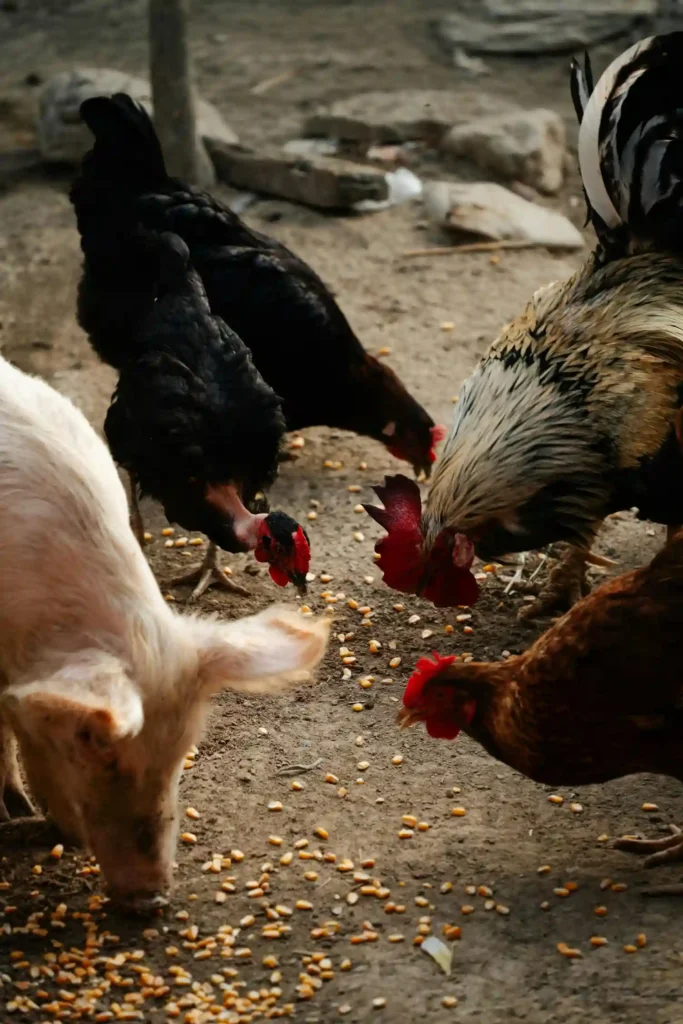
Antioquia has a serious pantry. Oyster mushrooms cultivated on highland farms. Mountain chayote. Native corn varieties that have been in the hands of farming communities for generations. Buffalo mozzarella from Planeta Rica. Avocados, rooftop herbs, native tubers that do not appear in city supermarkets but do appear in rural markets.
The problem with that pantry is that it has historically been invisible to author gastronomy. Luxury restaurants in Medellín for a long time looked outward: imported ingredients, European techniques, international references. Local meant rustic, not sophisticated.
La Makha inverts that logic. Not as a philosophical stance but because the quality of local ingredients, when well selected and treated with the care they deserve, competes with any imported product. Antioquian oyster mushrooms on a choclo cake with yogurt foam and smoke powder do not need anything from outside to be haute cuisine. They already are.
The Antioquian ingredients that define the menu
The à la carte menu at La Makha has several dishes that clearly show how Antioquian terroir translates into haute cuisine.
- The Orellanas ($58.000) are the most direct example. These mushrooms cultivated on the Antioquian plateau arrive at the table with choclo cake, pickled chayote, yogurt foam and smoke powder. A completely vegetable dish that does not appeal to any imported ingredient and that has a depth of flavor that surprises. The pickled chayote brings acidity. The yogurt foam balances. The smoke powder adds a smoky dimension that rounds out the whole.
- The Buffalo Stracciatella ($55.000) works with creamy cheese from Planeta Rica, a municipality in Córdoba with a border with Antioquia, recognized for the quality of its buffalo farming. The cheese arrives with garlic-smoked peas, fennel and orange mousse, confit San Marzano tomatoes and pennyroyal oil. Pennyroyal is an herb that grows in the Antioquian mountains with an aromatic profile difficult to replace. It arrives with artisanal herb bread.
- The Chicken ($58.000) uses locally sourced native chicken breast over a Popayán pipián cream made with peanut and criolla potato. Grilled bok choy with herb chimichurri and chicken glaze. Criolla potato is one of those ingredients that defines the Colombian Andean pantry and that in this dish works as the base of a sauce with texture and depth.
- The Corn Crisp Arepa ($45.000) pays tribute to native corn, one of the most important assets of Colombian terroir. The native grain arepa from Montes de María serves as the base for a fresh tuna tartare from Bahía Solano, with Antioquian oyster mushroom emulsion, sorrel paste and Guajira salt. Here the terroir is not only Antioquian: it is a conversation between different regions of the country that meets in a single plate.
In the tasting menu, oyster mushrooms also appear in the emulsion of the first course, the Corn Crisp Arepa. And native corn returns in the Chicken through the pipián. Antioquian terroir is not an isolated dish on the menu: it is a thread that runs through the entire proposal.
Paipa cheese: Boyacá at the table in El Poblado
One of the most interesting ingredients La Makha uses is Paipa cheese, the only Colombian cheese with protected designation of origin. It comes from the municipality of Paipa in Boyacá and has a semi-matured profile with slightly acidic notes and a firm texture that holds up well to heat.
At La Makha it appears in the Lamb course of the tasting menu, as a foam together with goat yogurt. It is one of those ingredients that in another context would go unnoticed but that in La Makha’s construction has a specific role: bringing Colombian identity to a course that uses Italian filled pasta technique.
That ability to integrate what is Colombian within international techniques without either losing its identity is what defines La Makha’s terroir cuisine. It is not closed localism or rootless cosmopolitanism. It is a conversation between the two.
Rooftop herbs and the invisible territory
There is an ingredient on the La Makha menu that deserves special attention: hierbas de azotea. These are a set of aromatic plants that families from the Colombian Caribbean and Pacific cultivate in their patios and terraces, hence the name. Purple basil, pennyroyal, cimarrón coriander, hierba santa. They have no mass commercial distribution. They are found in local market stalls or directly from producers.
The Octopus ($135.000) uses them as chimichurri to coat the confit octopus, over corn purée and white garlic from aged almojábana. It is a dish that brings together the Pacific sea and the inland territory through these herbs that are literally from a rooftop: grown at home, without a distribution chain, without a brand. That kind of ingredient defines serious terroir work.
In the tasting menu, purple basil also appears in the Catch of the Day, alongside Tumaco prawns and artisanal rigatoni. The rooftop herbs function at La Makha as a connector between territories: they bring the Caribbean and Pacific to a table in El Poblado.
How Antioquian terroir connects with the rest of Colombia
The most interesting thing about La Makha’s proposal is not that it uses Antioquian ingredients. It is that it puts them in conversation with ingredients from other regions of the country. The Creamy Rice ($95.000) has Pacific prawns, shrimp and Caribbean squid, crowned with coconut foam and hibiscus powder from Montes de María. The White Fish Ceviche ($50.000) uses Pacific chontaduro in the leche de tigre and pickled watermelon as texture. The Lamb in the tasting menu uses Paipa cheese from Boyacá.
La Makha’s terroir is not exclusively Antioquian. It is Colombian. Antioquia is the closest territory, the one that supplies the mushrooms, the buffalo cheese, the herbs and the corn. But the restaurant’s cuisine has the ambition to be a map of the whole country, where each region contributes what it produces best.
To understand in more detail how La Makha selects its suppliers and the criteria behind each ingredient, the article on sustainable gastronomy and local suppliers at La Makha details the fieldwork behind the menu.
Hours and reservations
La Makha opens for dinner Monday to Thursday from 6:00 p.m. to 10:00 p.m., and Friday and Saturday until 10:30 p.m. Sundays and holidays are closed for dinner. Breakfast is available every day from 6:00 a.m. to 11:30 a.m.
The restaurant is at Carrera 25 #10-51, Transversal Superior, El Poblado, Medellín, on the first floor of Binn Hotel, with free covered parking.
FAQ about Antioquian terroir at La Makha
What is Antioquian terroir in gastronomy?
It is the set of ingredients, flavors and production techniques specific to Antioquia and its adjacent territories: mushrooms like oyster mushrooms, cheeses like buffalo from Planeta Rica, native corn, rooftop herbs and native tubers from the plateau.
Which La Makha dishes use Antioquian ingredients?
The Orellanas ($58.000), the Buffalo Stracciatella ($55.000), the Chicken ($58.000) and the Corn Crisp Arepa ($45.000) are the à la carte dishes that work most directly with Antioquian terroir. In the tasting menu, oyster mushrooms and native corn appear in several courses.
What makes La Makha different in its use of local ingredients?
La Makha works with verified suppliers, ingredients of specific provenance and contemporary haute cuisine techniques applied to local product. It is not traditional Antioquian cuisine but Colombian author cooking that uses terroir as a starting point.
Where is La Makha in Medellín?
At Carrera 25 #10-51, Transversal Superior, El Poblado, Medellín, on the first floor of Binn Hotel.
What is Paipa cheese and why does La Makha use it?
Paipa cheese is the only Colombian cheese with protected designation of origin. It comes from the municipality of Paipa, Boyacá, and has a semi-matured profile with acidic notes and firm texture. La Makha uses it in the Lamb course of the tasting menu as a foam with goat yogurt.
How much does dinner at La Makha cost?
The tasting menu costs $330.000 without pairing and $420.000 with curated pairing. À la carte dishes range from $45.000 to $275.000. Desserts cost $35.000 and signature cocktails start at $38.000.
To book a table and discover the full proposal, the most direct path is the official La Makha Restaurant page. It is worth arriving with some context about the ingredients: the dinner tastes different when you know where everything comes from.