At La Makha, every dish has coordinates. Literally: the menu lists the region of origin for each main ingredient. Octopus from La Guajira. Tuna from Bahía Solano. Lamb from Caldas. Creole corn from the Montes de María. Buffalo from Planeta Rica, Córdoba. Prawns from Tumaco.
Those details aren’t there to dress up the menu. Chef David Suárez Estrada builds each dish around whatever ingredient arrived that week — with the producer identified, the harvesting or farming method known, the ripeness or freshness verified. What ends up on the plate is the result of a chain of decisions that starts long before the guest sits down.
Why local ingredients define La Makha
Most high-end restaurants in Colombia use local ingredients as supporting cast — the imported product carries the dish, the local one adds context. La Makha flips that logic: the Colombian ingredient is the main argument, and Mediterranean technique exists to get the best out of it.
Chontaduro isn’t in the ceviche because it’s exotic. It’s there because its profile — fatty, naturally sweet, with a richness no citrus fruit has — makes a leche de tigre that lime alone can’t build. The aged almojábana doesn’t appear in the octopus dish as a Colombian nod; it’s there because it does the same technical job as toasted bread in a Spanish ajo blanco, with a personality that toasted bread doesn’t have.
That’s what Binnhotel calls origin-driven cooking. Not buying local out of principle, but choosing the Colombian ingredient when it solves the dish better than any imported alternative.
“The menu doesn’t just list ingredients: it includes producer names, geographic coordinates and farming or harvesting methods.” — La Makha · Binnhotel
The map of origins
The menu travels Colombia from end to end. These are the territories on the current menu:
| Region | Ingredients |
|---|---|
| La Guajira | Octopus · Sea salt |
| Bahía Solano | Tuna · Vanilla |
| Tumaco | Pacific prawns |
| Colombian Pacific | White fish · Viche canao |
| Montes de María | Creole corn · Hibiscus |
| Planeta Rica, Córdoba | Buffalo · Stracciatella |
| Caldas, Antioquia | Lamb |
| Boyacá | Paipa cheese |
| Popayán | Peanut and criolla potato pipián |
| Eastern Antioquia | Creole chicken · Herbs |
| Urabá and Chocó | Cacao · Tropical fruits |
| Amazon | Açaí · Copoazú · Camu camu |
The star ingredients and what they do in the dish
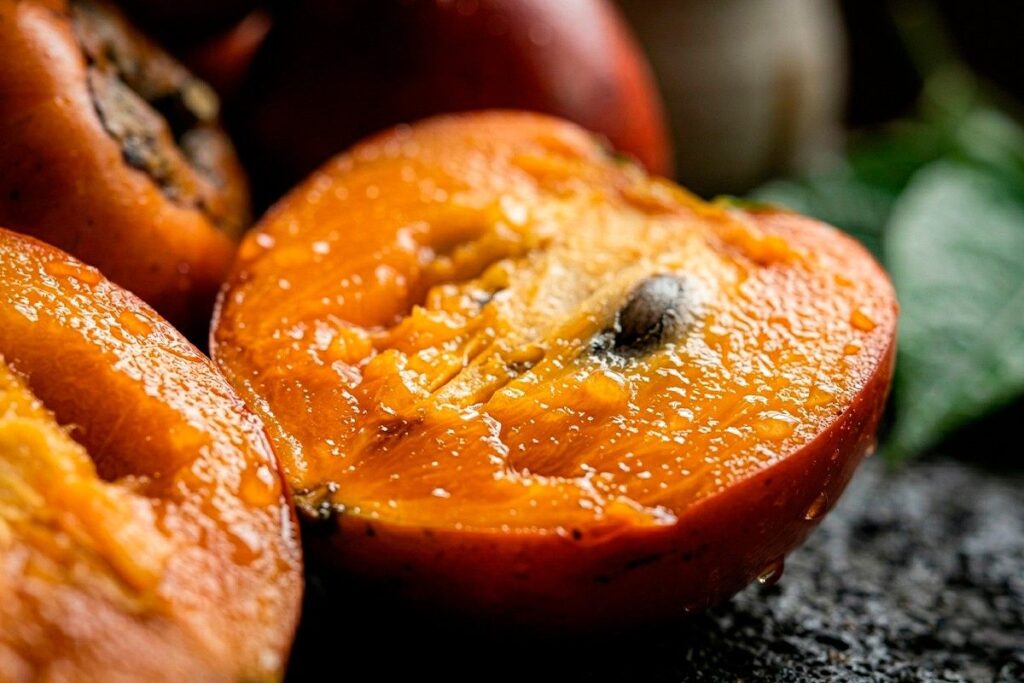
Chontaduro — Colombian Pacific
A palm fruit with a fatty, sweet profile that has no equivalent in Mediterranean cooking. At La Makha it forms the base of the ceviche’s leche de tigre: it adds a richness and body that lime alone can’t produce. It’s not on the menu because it’s unusual — it’s there because nothing else does the same thing.
Viche canao — Pacific, Afro-Colombian communities
An artisanal distillate made by Afro-Colombian communities on the Pacific coast, using methods that haven’t changed in generations. In the coconut flan it closes the tasting menu alongside coffee and bitter orange. It’s the most Colombian signature on the menu — an ingredient no Mediterranean restaurant in the world would use, and one that here makes complete technical and cultural sense.
Salt from La Guajira
The natural salt flats of La Guajira produce sea salt with crystals of a different size and texture than industrial salt. In the Corn Cracker it appears as flakes that add not just saltiness but a texture the dish needs to balance the richness of the tuna and the softness of the arepa.
Aged almojábana — Antioquia Fresh
Antioquian cheese hardened over time — what people in Antioquia call almojábana vieja — has the density and flavor to replace toasted bread in a classic ajo blanco. At La Makha it does exactly that: it enters as a technical ingredient in a Spanish preparation, contributing something bread never could.
Paipa cheese — Boyacá
Colombia’s only cheese with a protected designation of origin. Semi-hard, strong, slightly acidic, produced in the municipality of Paipa. In the lamb dish it appears as a foam alongside goat yogurt. Its character holds up against the braised leg without getting lost.
Hibiscus from the Montes de María
The dehydrated and powdered flower adds fruity acidity and a deep burgundy color to the black seafood rice. Without artificial colorings, hibiscus solves both the visual presentation and the flavor profile in a single ingredient.
Pipián from Popayán
A pre-Hispanic sauce made with toasted peanuts and criolla potato, originally from Colombia’s southern Pacific. At La Makha it works as the base for the creole chicken dish from Eastern Antioquia. A centuries-old sauce supporting a contemporary dish — without either one losing its identity.
Traceability: the relationship with producers
La Makha works with producers through direct, long-term relationships. It’s not spot buying at a wholesale market: it’s partnerships with small-scale farmers in Cundinamarca, Boyacá and Antioquia, cooperatives on the Pacific coast, and indigenous and Afro-Colombian communities that harvest wild ingredients in the Amazon and along the coast.
Those relationships have real consequences. Paying premium prices for exceptional quality gives producers an actual incentive to preserve native varieties that industrial farming had pushed out of the market. Committing to stable volumes — even small ones — lets family farms plan their harvests.
- Short supply chains: From producer to kitchen, with as few steps as possible.
- Fair price: Premium paid for exceptional quality, not wholesale market rates.
- First-hand knowledge: David Suárez and his team visit regions regularly. They know how the octopus is caught, when the chontaduro is ripe, how the viche is made.
- Zero waste: Potato skins dehydrated into chips. Fish bones toasted for stocks. Vegetable stems fermented.
Ingredients rescued from obscurity
Part of what La Makha does is recover varieties that industrialized agriculture had pushed aside. When a high-end restaurant puts curuba de indio, cubio or a specific variety of creole corn on its menu, it creates demand that didn’t exist before in that market segment. That has a real effect on what farmers grow the following season.
In the Amazon, La Makha works with communities that harvest açaí, copoazú and camu camu sustainably — ingredients that have existed in those territories for centuries but rarely reach an author-driven kitchen in Medellín. On the Pacific coast, bijao leaves come in as both a cooking technique and a cultural reference.
The result is a menu that changes with the seasons not by whim, but because the ingredient that arrives in March is different from the one in July. That variation isn’t an inconvenience — it’s proof the system works.
Frequently asked questions about La Makha’s ingredients
Where do La Makha’s ingredients come from?
From different regions of Colombia with verifiable geographic traceability: octopus from La Guajira, tuna from Bahía Solano, prawns from Tumaco, lamb from Caldas, corn from the Montes de María, buffalo from Planeta Rica, Paipa cheese from Boyacá and viche canao from the Pacific, among others.
What is chontaduro and why does it appear on the menu?
A palm fruit from the Colombian Pacific with a fatty, sweet and rich profile. At La Makha it’s used as the base of the ceviche’s leche de tigre because it adds a texture and body that lime alone can’t achieve. It’s not there for its novelty — it’s there because it’s technically the best option for that dish.
What is viche canao?
An artisanal distillate from Afro-Colombian communities on the Pacific coast. At La Makha it appears in the closing flan of the tasting menu, alongside coffee and bitter orange.
Does La Makha work directly with local producers?
Yes. With small-scale farmers, cooperatives and indigenous and Afro-Colombian communities. The model cuts out intermediaries and pays premium prices, which gives producers real incentives to preserve native varieties.
Does the menu change with the seasons?
Yes. It varies according to the seasonal availability of each product. Some dishes change between visits — that’s not inconsistency, it’s the system working.
The ingredients change with the season. The next dish is already on its way.
Discover the restaurant on La Makha’s page at Binnhotel. Instagram: @lamakharestaurante